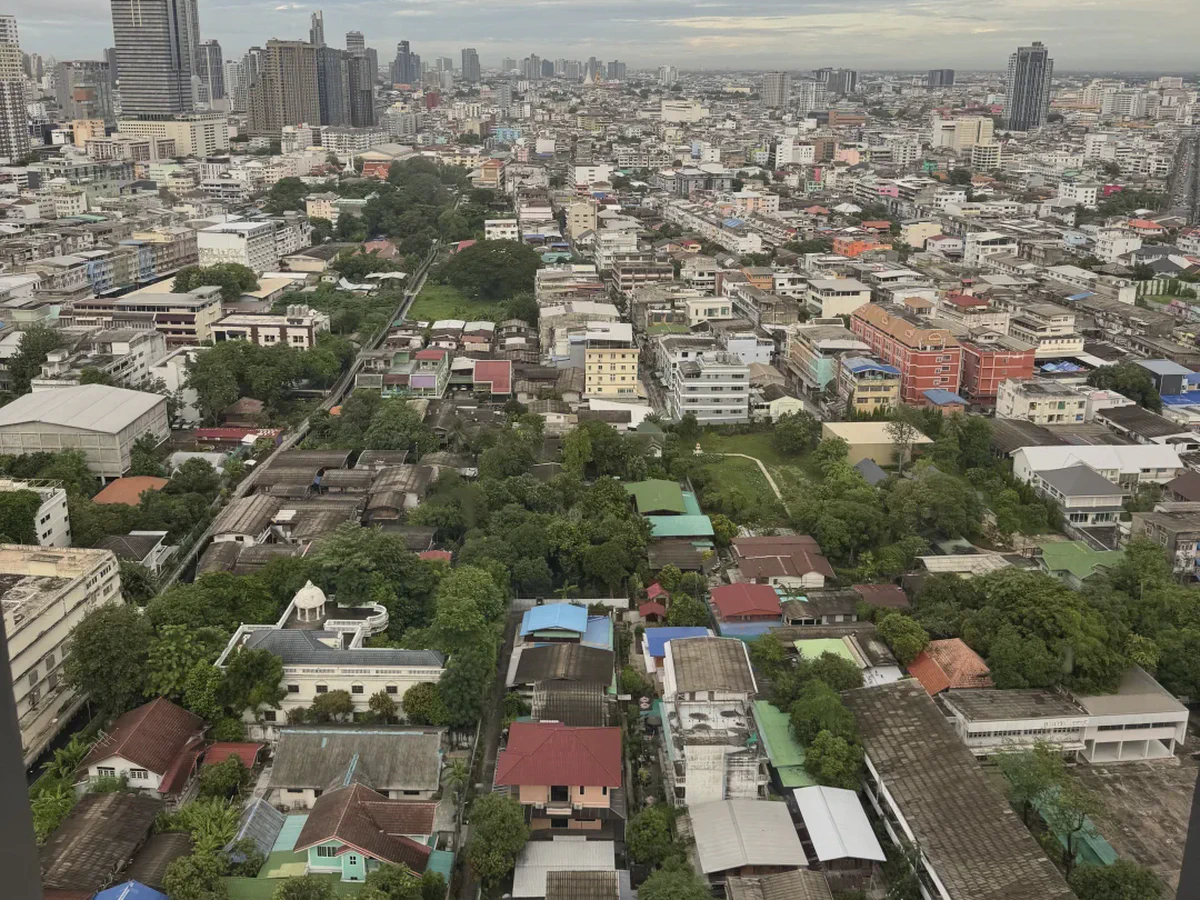
March to May rewards travelers who choose the region before the country. Bangkok becomes progressively hotter, northern Thailand can face serious haze, and the Andaman coast shifts from a convincing March into much less dependable late-season sea conditions. Koh Samui and the Gulf coast make a stronger beach case across the period. Singapore remains easy to navigate, but heat and afternoon storms should shape the day’s pace.
This is not the window for an ambitious checklist. An exposed temple courtyard at 1 PM can drain the energy needed for the evening, and a cheap coastal room is poor value if every important day depends on calm water. Start with the Thailand weather-by-month guide and decide whether the trip is primarily about cities, festivals or beaches.
March is not May
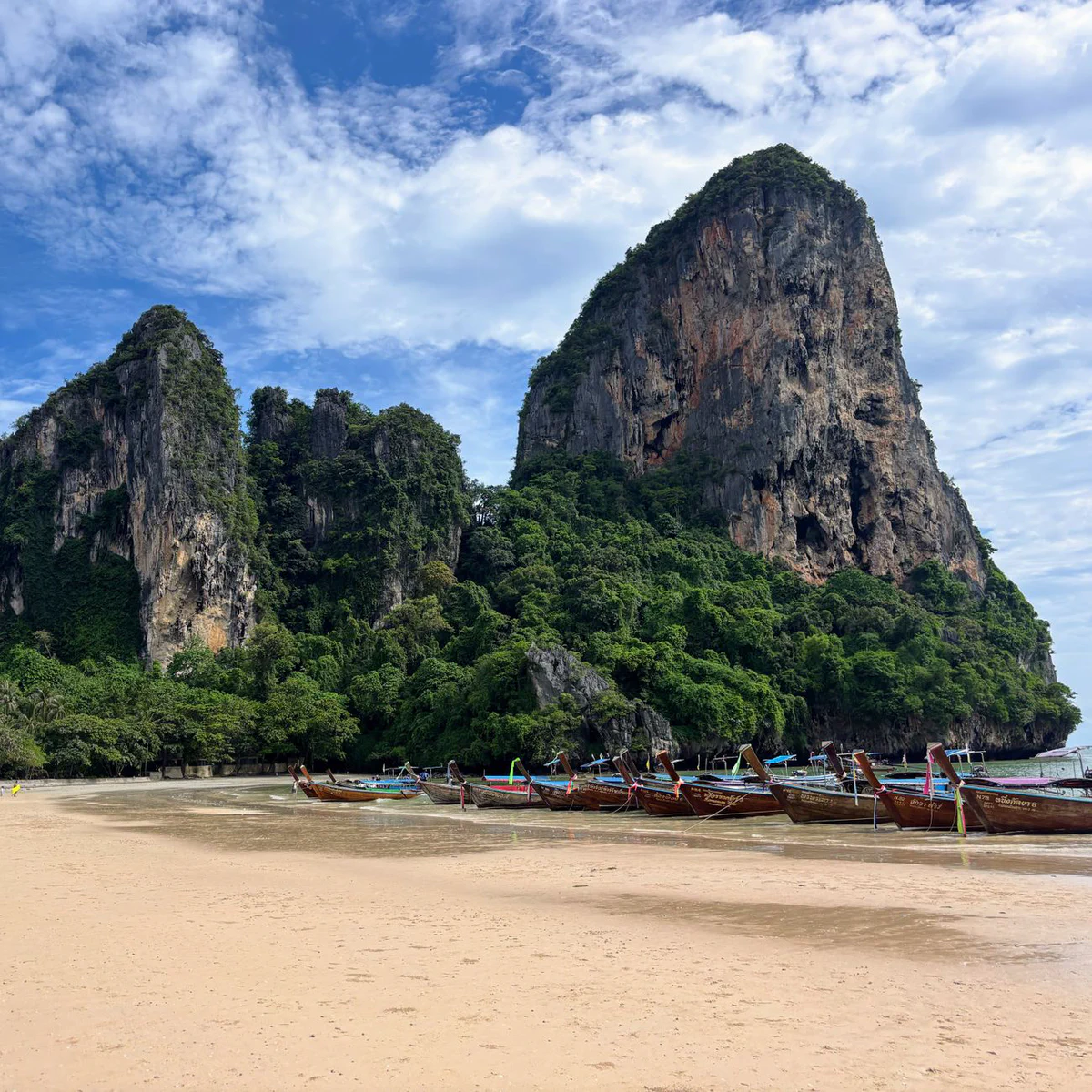
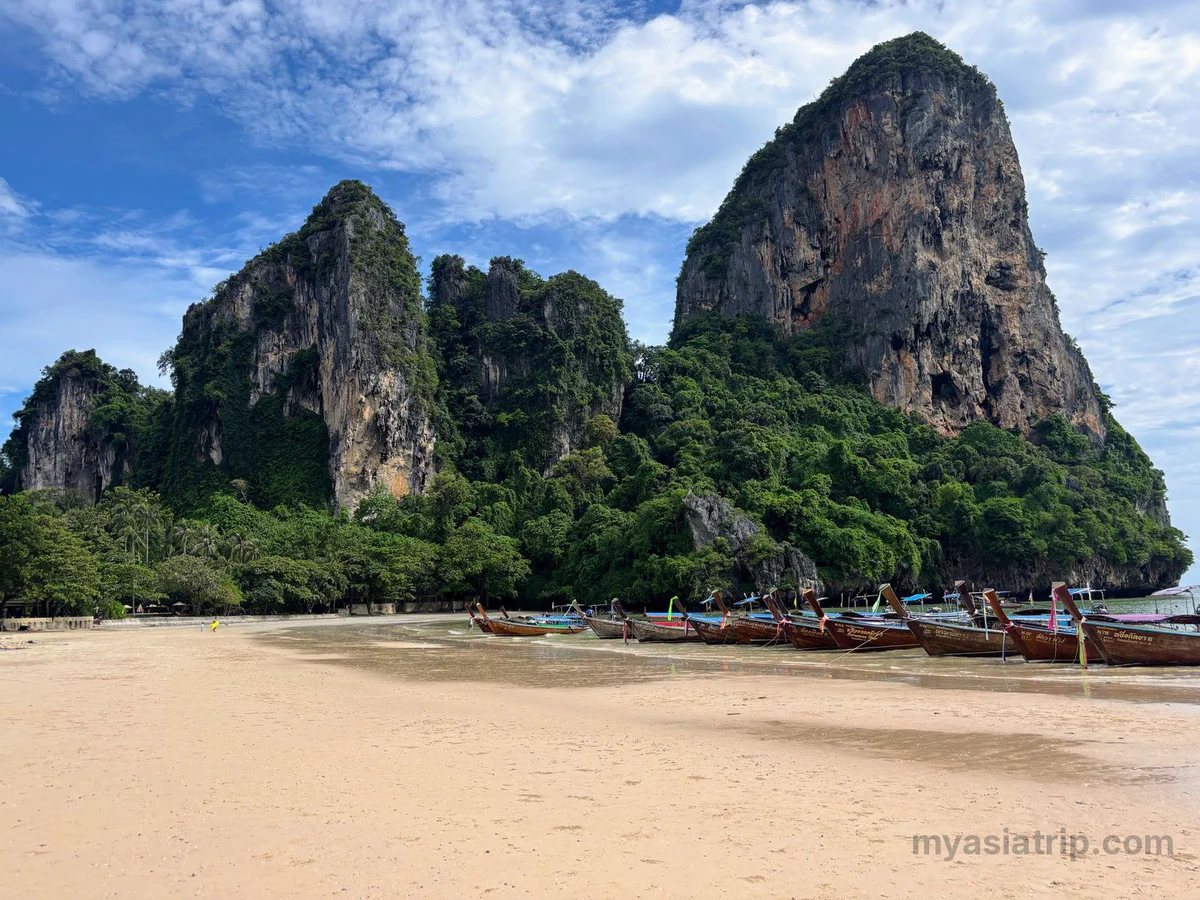
March still carries some of the dry-season advantage on Phuket and around Krabi, although heat is already building inland. April is Thailand’s hottest stretch and brings Songkran, which can be the reason for the trip or a logistical complication depending on what you want. By May, the southwest monsoon begins changing the calculation on the Andaman side, while early rain can start clearing and greening the north.
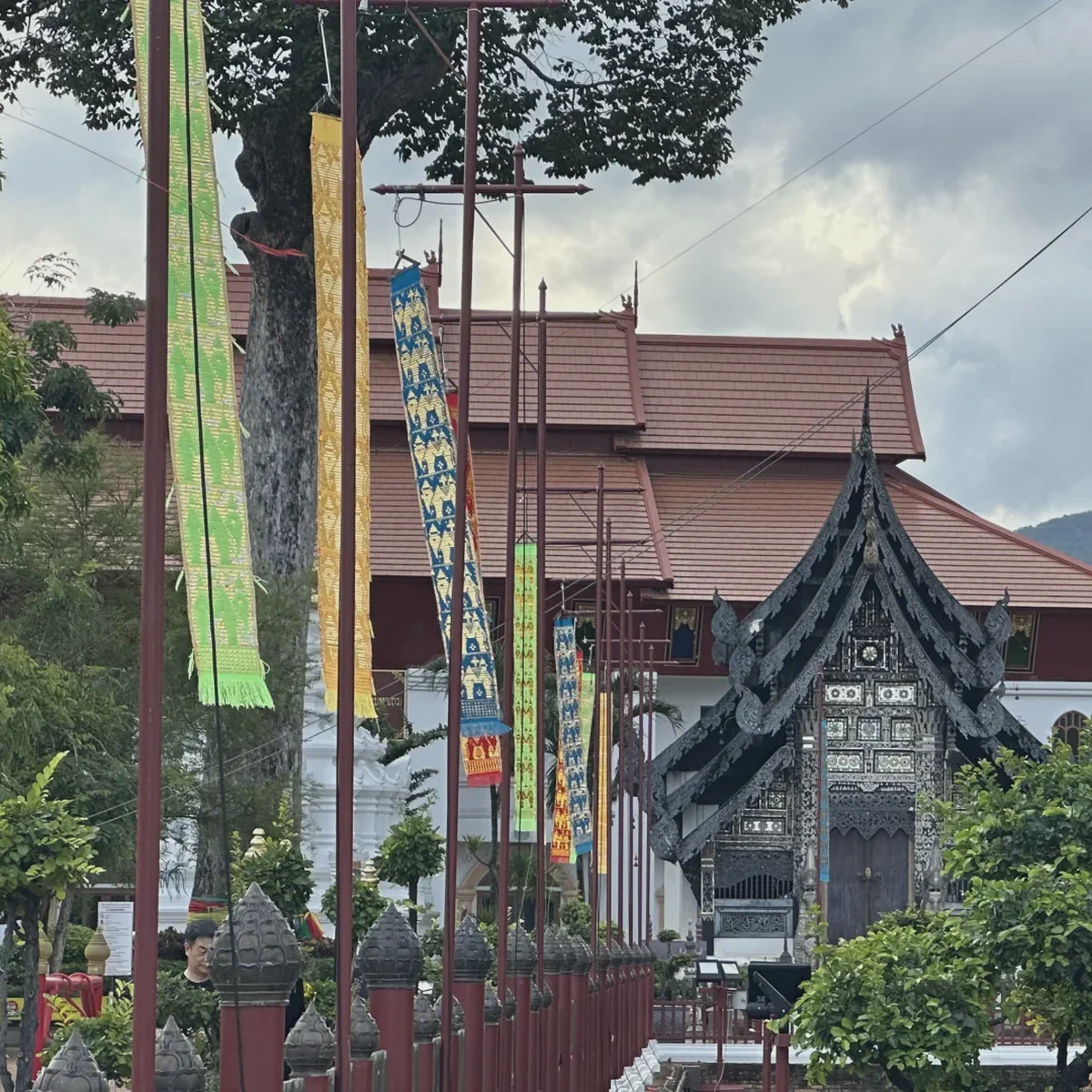
Chiang Mai needs the clearest warning. Seasonal smoke and heat can turn a mountain-and-temple plan into days spent checking air-quality readings from an air-conditioned room. If air pollution is a health concern, do not treat a low hotel price as sufficient reason to go. Conditions vary by year, so current monitoring matters more than a fixed promise in a travel guide.
Where a slower rhythm pays off
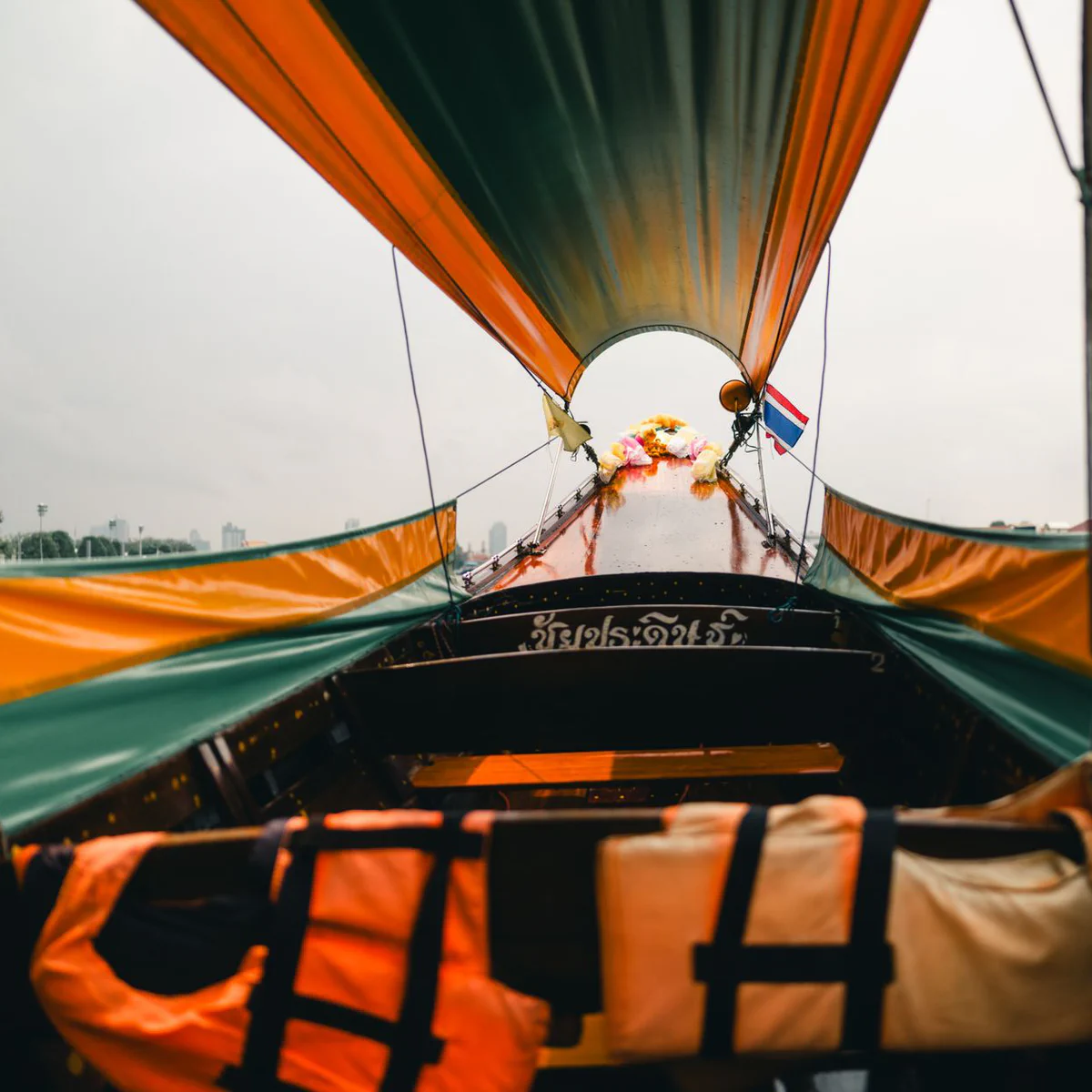
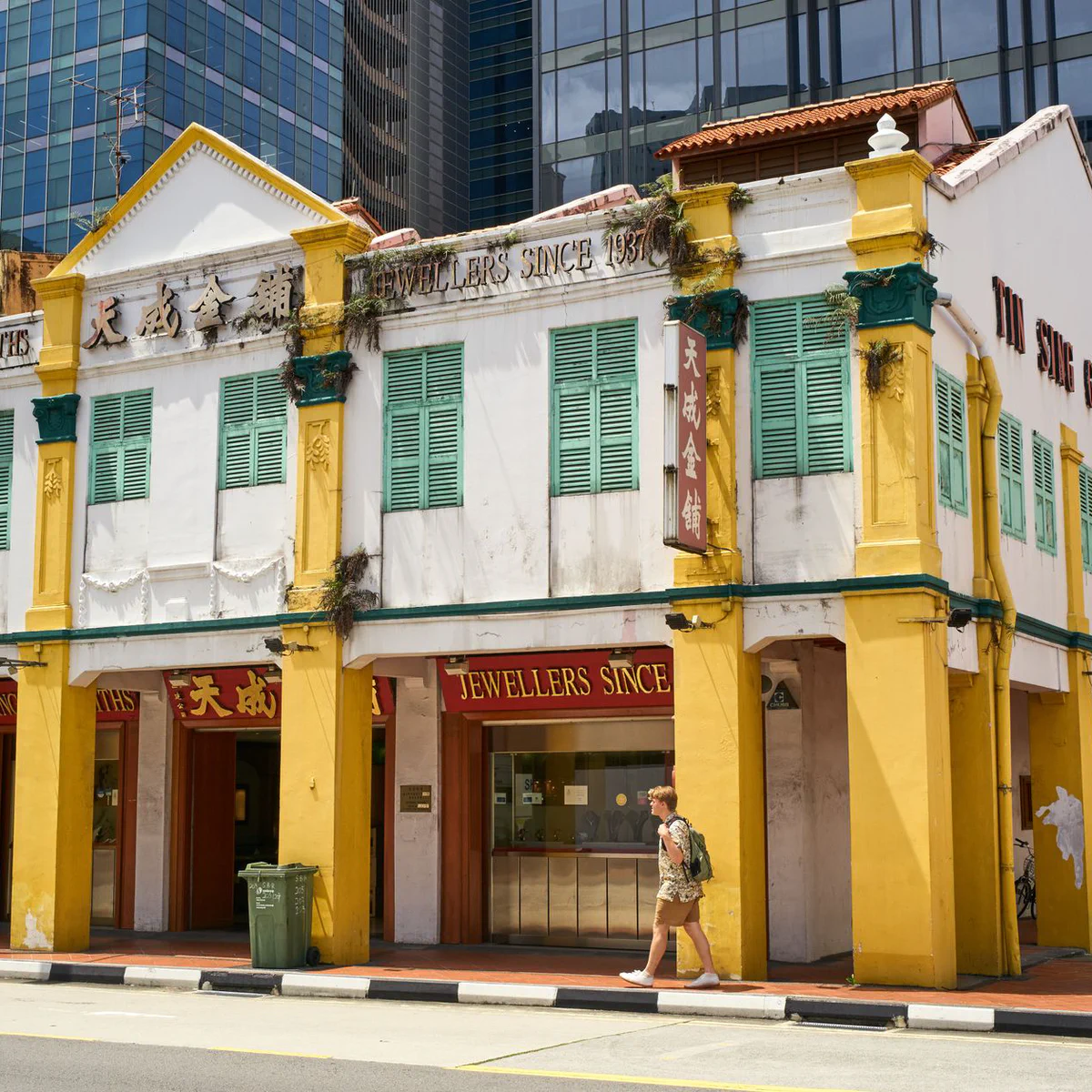
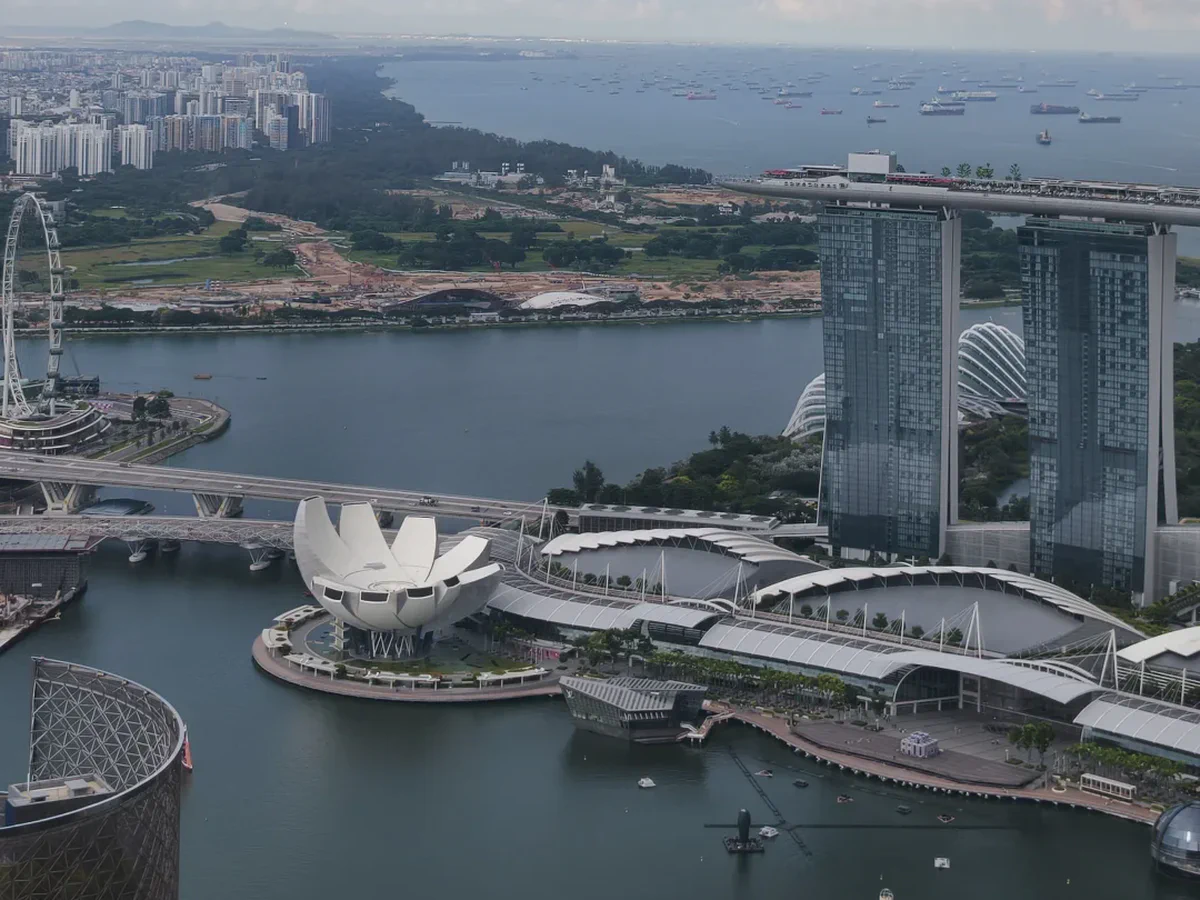
Koh Samui is the strongest beach anchor in this set, while Singapore works best when outdoor sights happen early and museums, malls or conservatories absorb the hottest and stormiest hours. Bangkok can still be enjoyable for food, river evenings and Songkran, but two well-paced sights are usually a better day than four exhausting ones. Compare the coasts in the Thailand islands guide before buying nonrefundable ferry connections.