

Where to Stay in Chiang Mai: Best Areas for Your Trip
Choose where to stay in Chiang Mai by walkability, nightlife, airport noise and the trade-offs between the Old City, Nimman and the riverside.
Explore by interest
Compare where to stay in Singapore, Bangkok and Chiang Mai by transport, atmosphere, budget, evening noise and repeated daily journeys.
Choosing where to stay is less about finding a universally “best” neighborhood than deciding which daily inconvenience you are willing to accept. A cheaper room can lose its value if every sightseeing day begins with a long, humid walk; a lively nightlife base can feel punishing when traffic and music continue after you want to sleep. Our guides compare the trade-offs before recommending an area.
Singapore is easier to navigate: most central neighborhoods connect cleanly to the MRT, so atmosphere and room price usually matter more than complicated transfers. Bangkok demands a sharper rail-and-traffic decision. Chiang Mai is smaller, but the choice between the Old City, Nimman and the riverside still changes how often you need a ride and how much evening noise reaches the room.
| If your priority is… | Singapore starting point | Bangkok starting point | Chiang Mai starting point |
|---|---|---|---|
| First visit and easy sightseeing | City Hall or Bugis | Siam or lower Sukhumvit near a station | Old City or the Tha Phae side |
| Food and evening atmosphere | Chinatown or Kampong Glam | Chinatown or Ari | Nimman or the east moat |
| Nightlife with a simple ride home | Clarke Quay or Robertson Quay | Sukhumvit or Silom | Nimman or Chang Khlan |
| Slower family time | Sentosa, with city-access trade-offs | Riverside, after checking transfer time | Riverside or a quieter Old City lane |
| Lower room rates | Lavender, Geylang or farther east | Areas beyond the most central BTS stations | Santitham, after checking the exact lane |
These are starting points, not automatic winners. Read the city guide before booking because station access, pavement conditions and the exact side of a major road can matter more than the neighborhood name shown by a hotel platform.
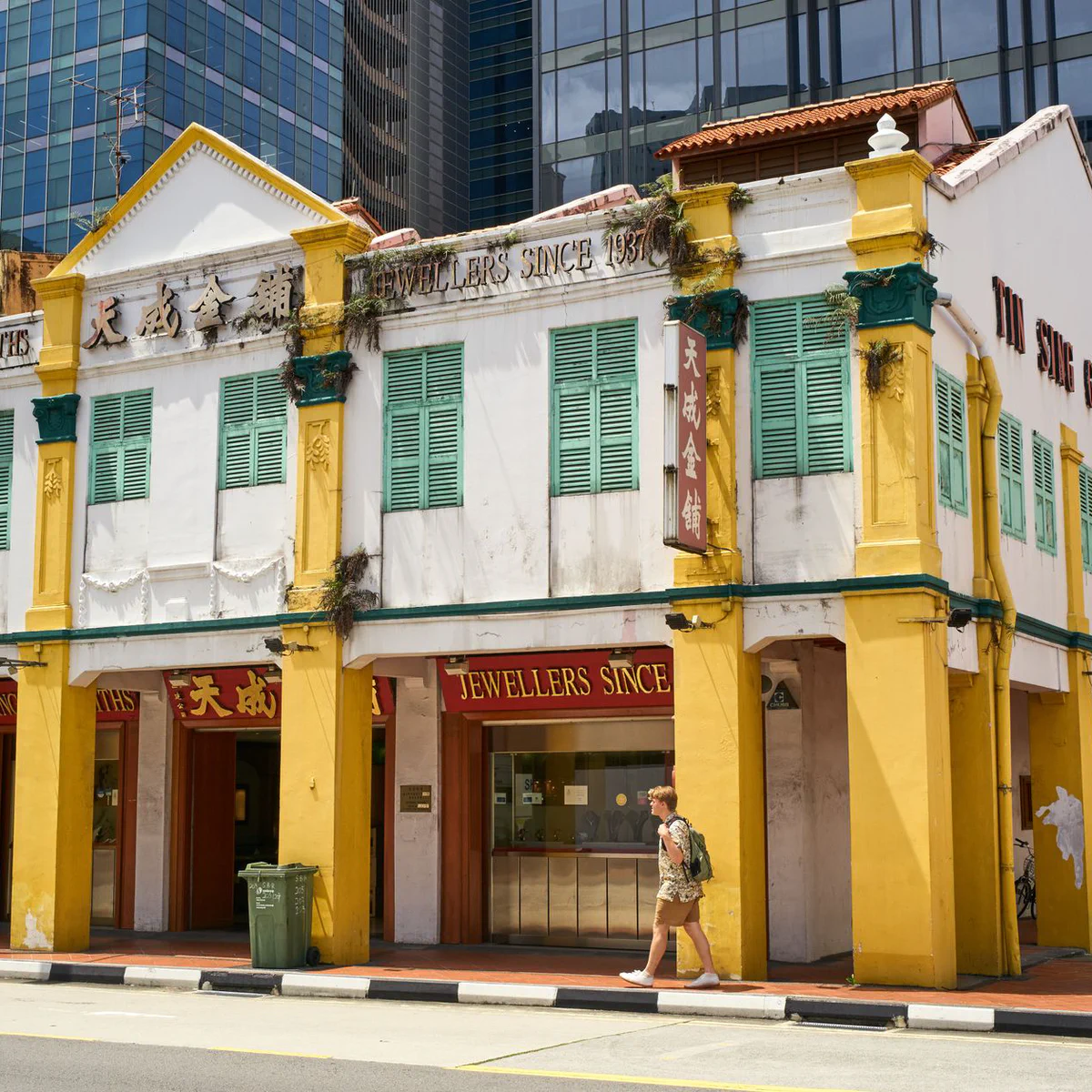
The Singapore where-to-stay guide compares central districts, food-focused neighborhoods, budget bases and Sentosa. Pair it with the Singapore transport guide if MRT access will decide the booking.
The Bangkok where-to-stay guide focuses more heavily on rail access, traffic and the practical difference between Sukhumvit, Siam, Silom, the riverside and the Old Town. Check the Bangkok BTS and MRT guide before accepting a hotel’s claim that it is centrally located.
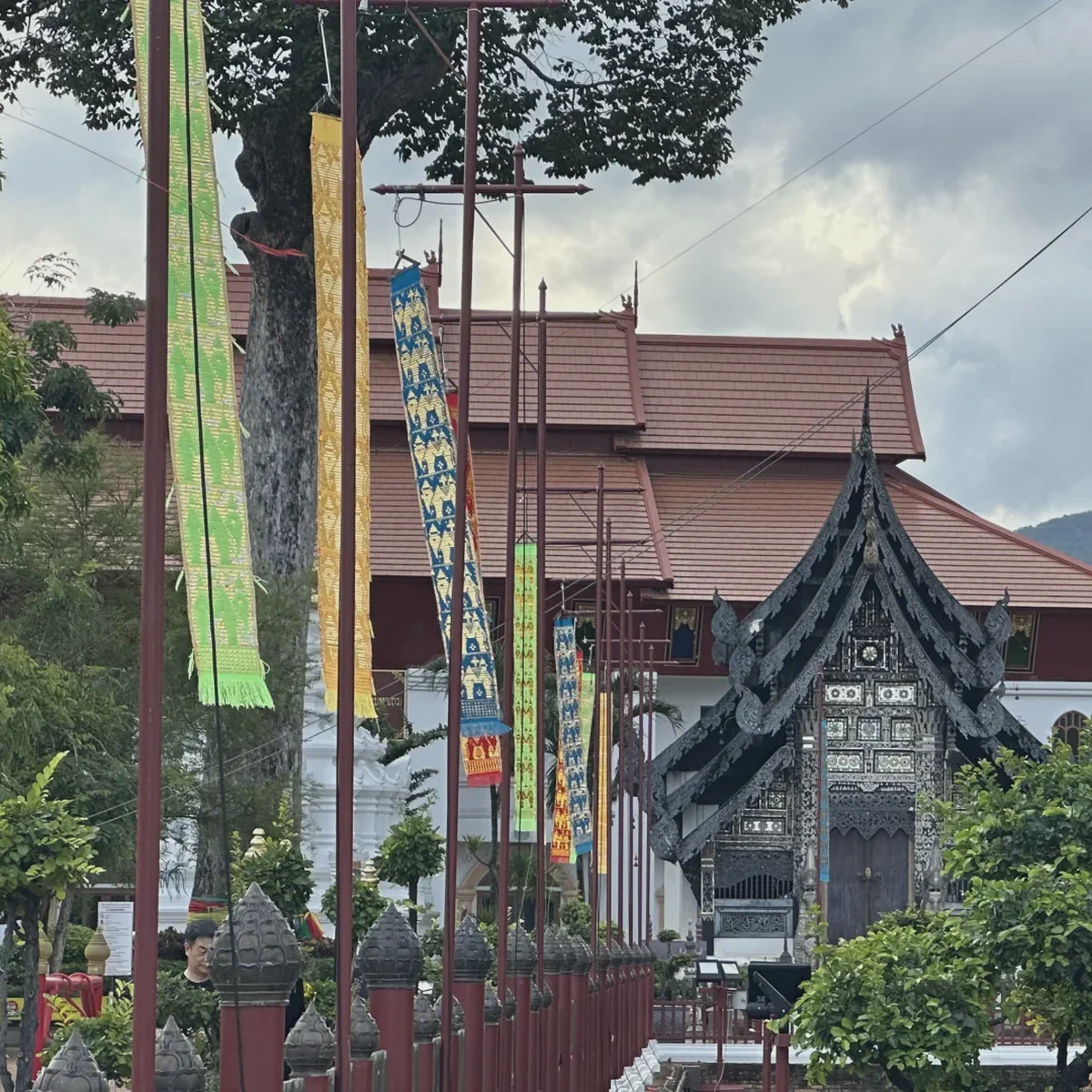
In Chiang Mai, compare the Old City, Tha Phae, Nimman, Chang Khlan, the riverside and Santitham by repeated journeys, noise, airport access and late-day comfort.
Book only after you have compared the exact property location with your likely daily routes. In all three cities, a well-chosen base reduces more travel fatigue than adding another attraction to the itinerary.