Thailand
Plan Thailand around the decisions that matter: route length, coast, season, budget, entry rules, transport, food and realistic daily pacing.
Plan your Thailand trip
First Trip to Thailand: Essential Tips for a Smooth Journey

Thailand 7-Day Itinerary: Three Realistic Routes for One Week
Thailand 10-Day Itinerary: Bangkok, Chiang Mai and One Southern Base
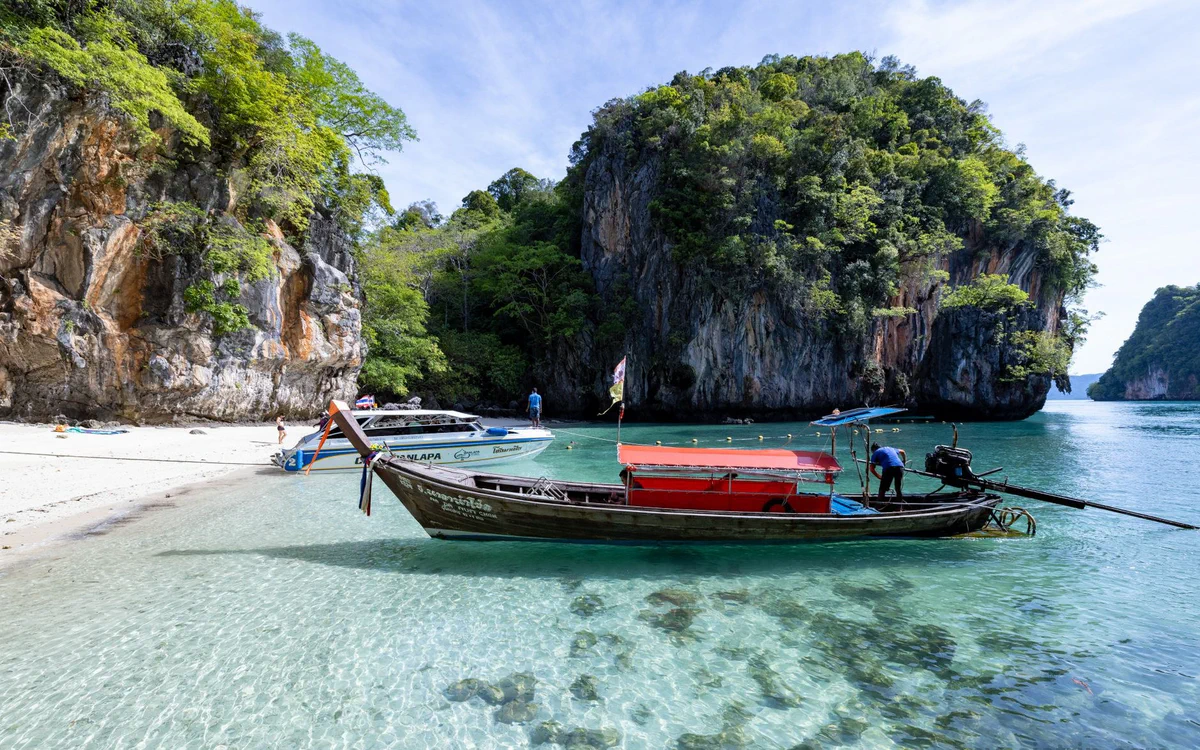
Thailand 2-Week Itinerary: 3 Realistic 14-Day Routes
Use this page as a map of decisions, then move to the detailed guide when you are ready to book or sequence a particular part of the journey. The route pages count travel days more honestly than a list of attractions; the weather pages separate regional patterns; and the practical guides cover the moments when tired travelers are most likely to make an expensive mistake.
| Your decision | Start here | Compare or confirm |
|---|---|---|
| Pick a route length | 7-day Thailand itinerary | 10-day itinerary or two-week itinerary |
| Choose destinations | Best places to visit in Thailand | Islands and beaches |
| Choose travel dates | Best time to visit Thailand | Thailand weather by month |
| Prepare for arrival | Thailand visa and entry requirements | First-time Thailand guide |
| Plan daily logistics | Getting around Thailand | Thailand travel costs |
| Plan what to eat | Thailand food guide | Bangkok food guide |
| Build a Bangkok stay | Bangkok travel guide | Bangkok things to do or Bangkok temples |
| Build a Chiang Mai stay | Chiang Mai travel guide | Chiang Mai Old City or Chiang Mai day trips |
A workable route by trip length
For seven days, choose two bases: Bangkok plus Chiang Mai, or Bangkok plus one coast. A third base is possible only when the connecting flight or train fits cleanly; otherwise you will spend the middle of the trip repacking. The 7-day itinerary gives the main route and replacement logic.
For ten days, Bangkok, Chiang Mai and one island or beach region can work if you accept one transfer day. Use the 10-day itinerary when you want a first-timer route with room for a slower morning. For two weeks, add Ayutthaya, Sukhothai or a national park—not another island simply because it appears close on a map. The two-week itinerary is the better place to compare those alternatives.
Treat arrival and departure as partial days. After a long flight, a temple-and-market marathon usually feels like a poor bargain. Leave bags at the hotel, eat near your base and keep the first evening geographically simple. On departure day, allow the road to the airport to be a real part of the plan rather than an optimistic footnote.
Best time to visit

Best Time to Visit Thailand: Seasons, Coasts and Crowds
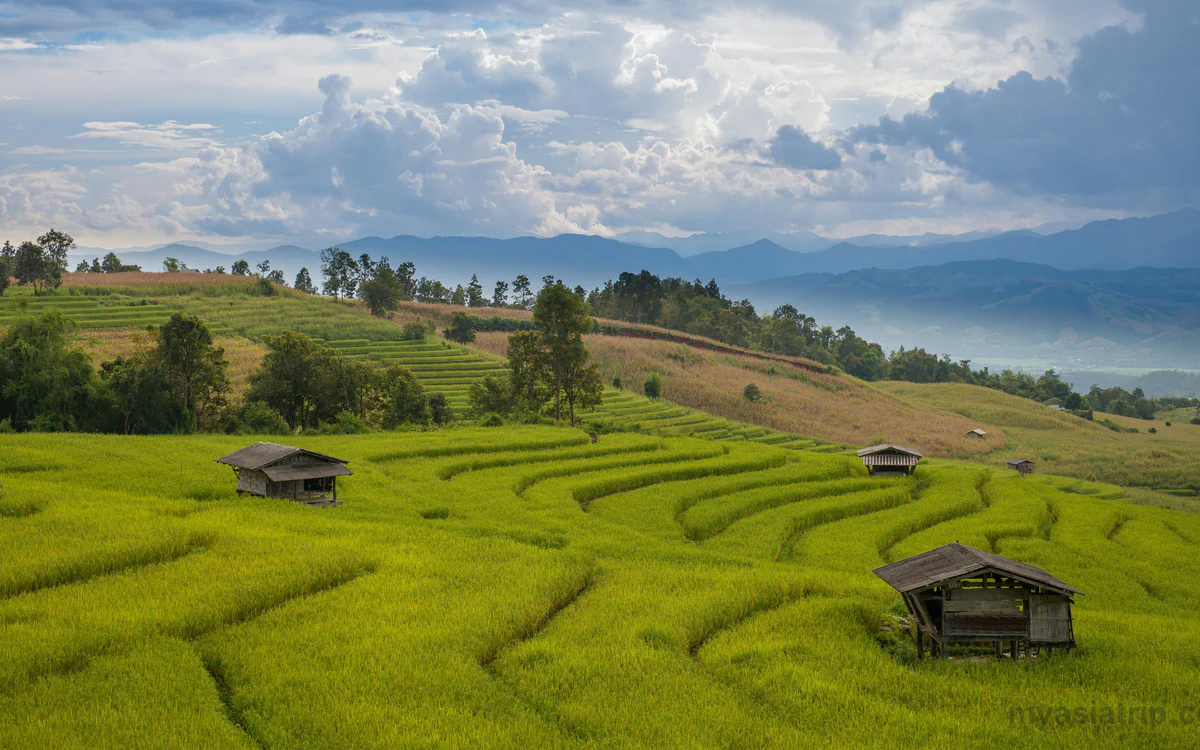
Thailand Weather by Month: A Practical Guide for Travelers
Thailand has regional seasons, not one reliable country-wide switch from “dry” to “wet.” The Thai Meteorological Department provides the broad climate framework, but your coast matters: conditions on the Andaman side around Krabi and Phuket can differ from those around Koh Samui and Koh Tao in the Gulf. Use the best-time guide to choose the region first, then the weather-by-month guide to adjust packing and day plans.
November to February is often the easiest period for outdoor days in Bangkok, Ayutthaya, Chiang Mai and northern national parks. It is not cool by every traveler’s standard, and afternoons can still drain you, but temple walks and market visits are generally easier than in the hottest months. Northern smoke and air-quality conditions can also affect outdoor plans later in the dry season; check current conditions rather than assuming a clear view of the mountains.
March to May can be intensely hot, especially when a route includes exposed ruins, city sidewalks or a full day at the beach without shade. Build in an air-conditioned break, an early start and a realistic end time. Songkran can be an extraordinary cultural moment and a logistical disruption at the same time, with transport demand and local closures varying by destination. Do not reserve a packed cross-country route without checking the calendar and cancellation terms.
June to October often brings lower rates and green landscapes, but “rainy season” does not mean the same thing everywhere. Short storms can leave a city afternoon manageable; a rough sea can make an island transfer a different proposition. Keep a flexible half-day for rain, choose accommodation where you can comfortably retreat, and avoid scheduling the only ferry or flight of a multi-stop route too tightly. Regional detail belongs in the linked weather guides, where dates and coast-specific caveats can be kept current.
Visa and entry requirements
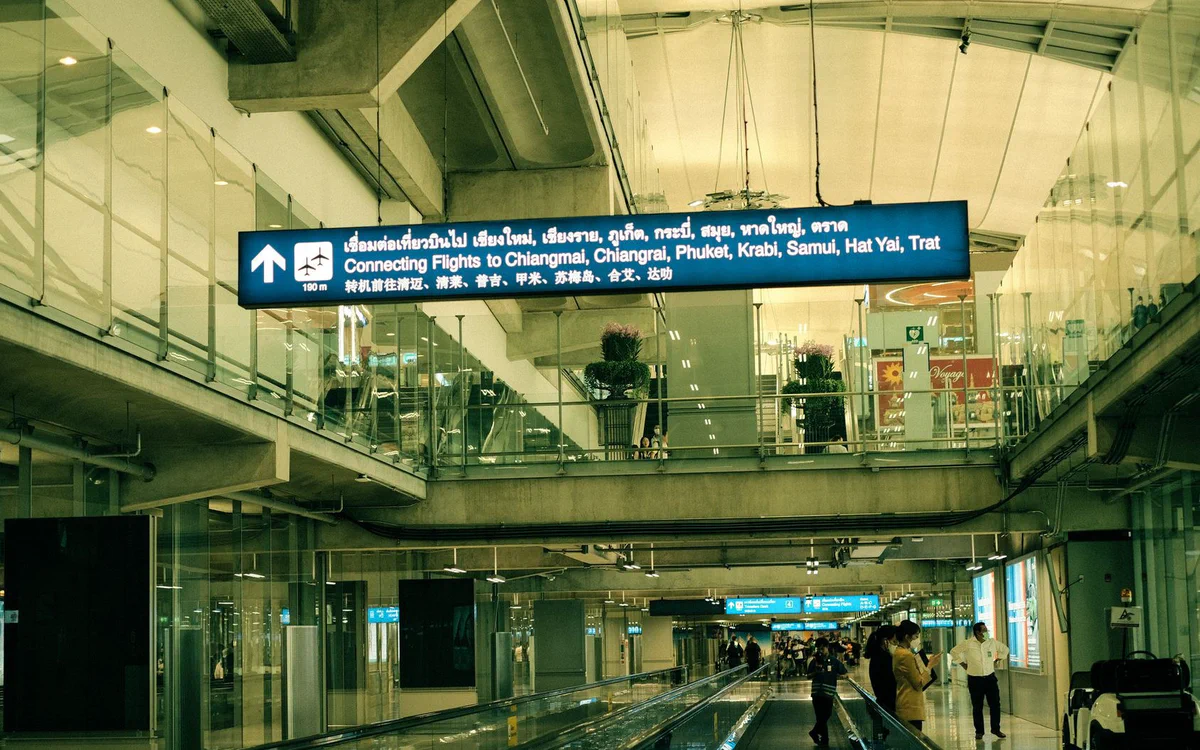
Visa exemption, visa on arrival and a tourist visa are separate routes. Eligibility and permitted stay depend on your passport, purpose and the rules effective when you arrive. On 14 July 2026, Thailand’s Cabinet approved a revised structure that would replace the previous 60-day exemption for 93 countries and territories with passport-specific categories, including 30-day and 15-day exemption groups and a smaller visa-on-arrival group. Cabinet approval is not itself the live border rule.
The Thai Government announcement says the measures take effect only after the required Ministry of Interior announcements are published in the Royal Gazette and the stated 15-day transition period has passed. Do not infer your permitted stay from a headline or from an old blog. Check the Thailand visa and entry guide shortly before departure and use the official Thai e-Visa portal or the Thai embassy responsible for your residence when your case needs a formal answer.
The Thailand Digital Arrival Card (TDAC) is an arrival form, not a visa. Keep the confirmation accessible with your passport and allow time to complete it through the official channel before arrival. If your route includes a later re-entry, check that entry separately; a rule that fits the first arrival may not answer a second one. This is a small administrative task that is much easier at home than in an immigration queue after an overnight flight.
Money and costs
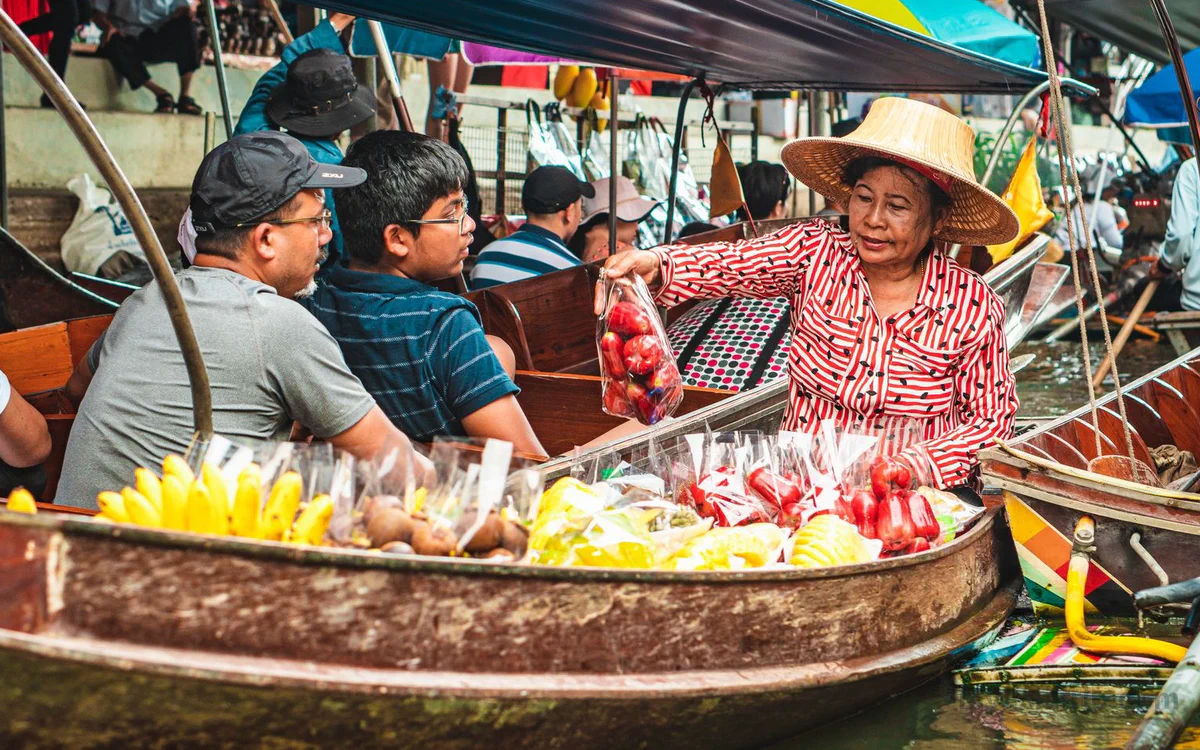
The Thai baht (THB) is the local currency. Cards work in many hotels, chain businesses and larger restaurants, while markets, street stalls, small transport payments and some independent shops still require cash. Keep a modest cash reserve rather than assuming a card terminal will be working when you are hot, hungry and carrying a bag.
For planning—not as a promise—the existing Thailand travel cost guide uses these ranges, excluding international flights and assuming shared rooms where relevant:
| Travel style | Planning range per person per day | What changes the total |
|---|---|---|
| Budget-focused | ฿1,200–2,000 | Dorms or simple rooms, local meals, public transport and fewer paid activities |
| Comfortable | ฿2,800–5,500 | Private room, mixed dining, occasional taxis, domestic transport and selected attractions |
| Premium | ฿7,000+ | Higher-end rooms, private transfers, resort dining and marine or guided activities |
Islands, peak dates, solo rooms, private transfers and marine activities can all push a day above its usual range. A cheap room on a remote island may create expensive transfers; a central room can save enough time and taxi fare to be the better value. Price the route as a whole, including the day you lose to moving between bases.
Avoid presenting one street-stall price as a national food budget. Portions, setting and city differ. Withdraw or exchange enough for the next day, compare fees through your own bank, and keep a backup payment method separate from your main wallet. The practical goal is not to optimize every baht; it is to avoid a late-night search for an open ATM after the market has closed.
Getting around
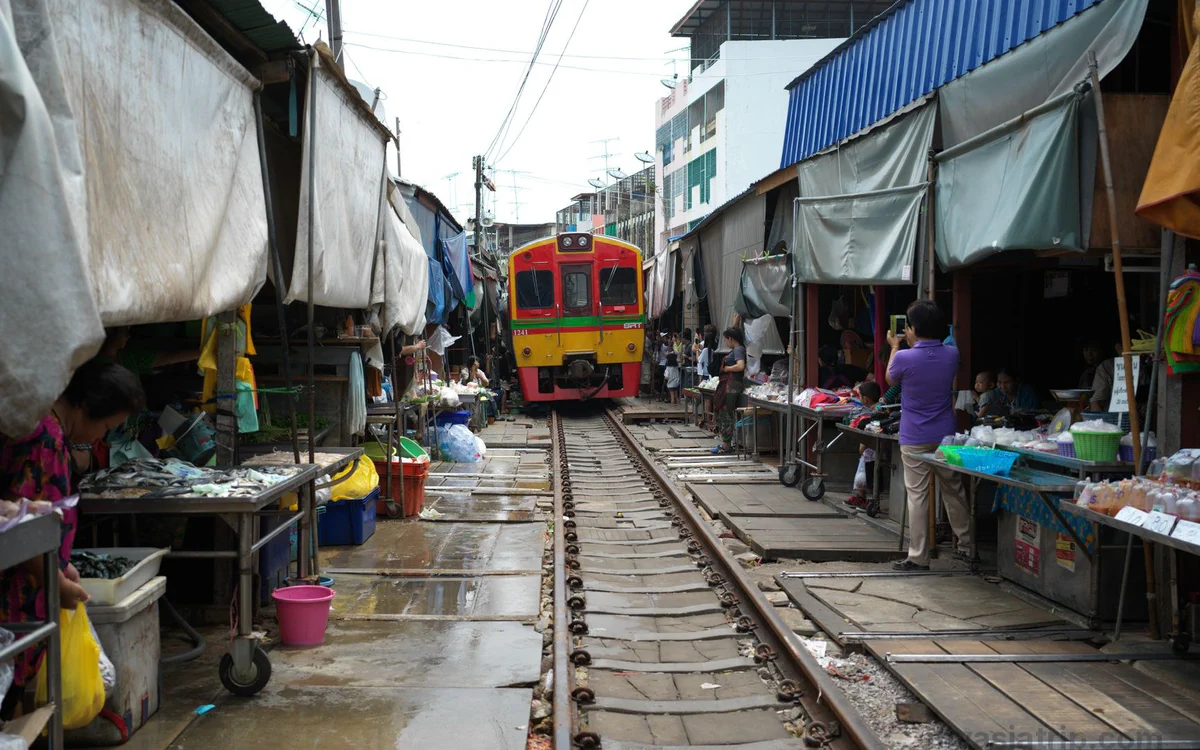
Thailand’s transport network is broad, but the cheapest option is not always the least tiring. Domestic flights save surface time between Bangkok, Chiang Mai and southern gateways, while trains and buses are useful when the journey itself is part of the experience. The State Railway of Thailand is the authority for rail timetables; exact trains, seats and operating patterns remain live checks. Use the getting-around guide before buying a separate ticket for every leg.
For a multi-stop route, count the full sequence: hotel check-out, getting to the station or airport, baggage rules, waiting, the journey, transfer to the next base, check-in and the first meal. A “morning transfer” can occupy most of the day. Overnight trains may save a hotel night, but they can also leave you short on sleep before a sightseeing day. Choose them when the timing and your tolerance for broken sleep fit, not just because the map makes them look efficient.
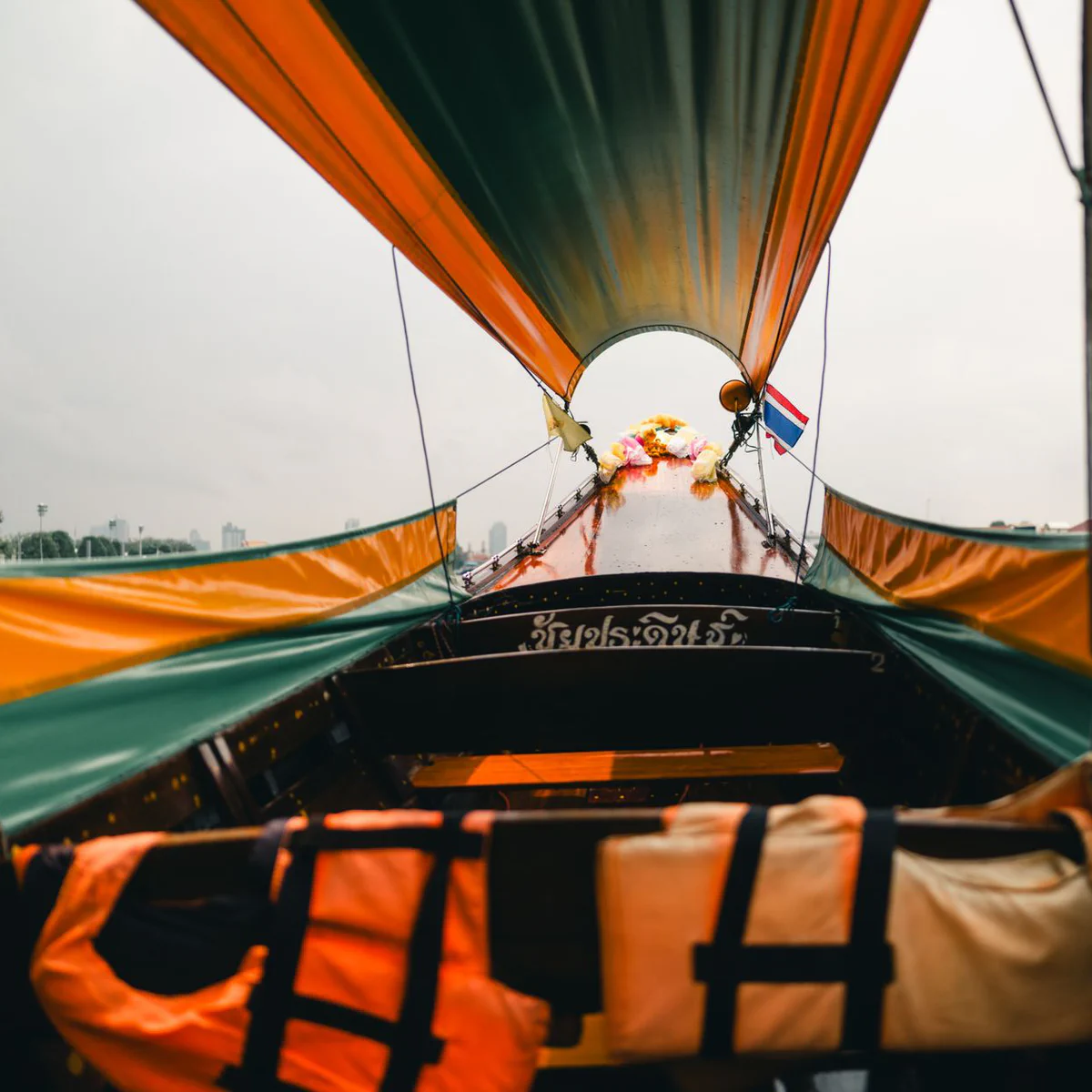
Island travel adds weather exposure. Speed ferries reduce crossing time but can be hard on anyone prone to seasickness; conventional ferries are slower and may feel steadier. Combined bus-and-ferry tickets can reduce the number of separate decisions, but check where luggage is handled and what happens if a connection runs late. Leave a buffer before a flight or an important non-refundable activity.
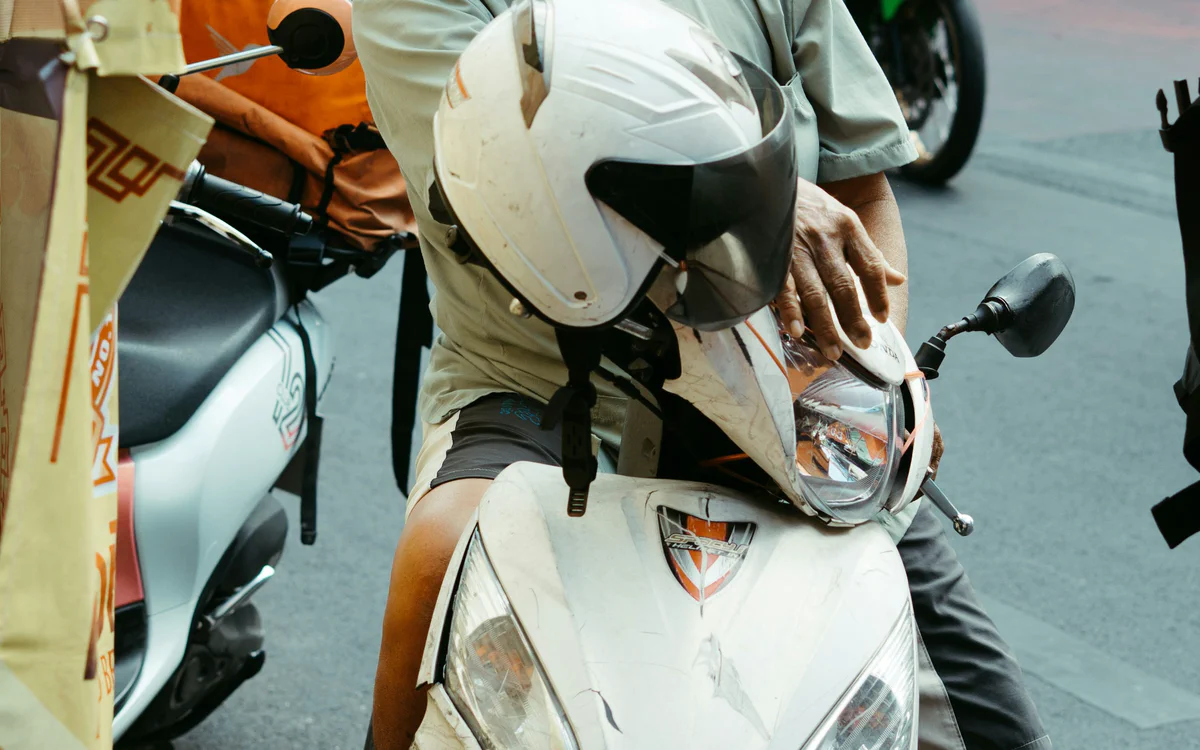
In cities, BTS and MRT are particularly useful in Bangkok, while river boats and taxis fill the gaps between rail stations and riverside sights. Tuk-tuks can be fun for a short, agreed-price ride, but they are not a default answer for every journey. Ask for the fare before boarding, and do not feel obliged to accept a detour to a shop. A scooter belongs only to a confident, properly licensed rider with appropriate insurance and a helmet; unfamiliar bends, sand, rain and traffic can turn a short route into the highest-friction part of the trip.
Top destinations and highlights

Chiang Mai Travel Guide: Plan a Realistic First Trip
Bangkok Travel Guide: Plan Your First Trip in 2026
Best Places to Visit in Thailand: Where to Go by Trip Style
Best Islands & Beaches in Thailand: A Practical Guide

15 Hidden Gems in Thailand Worth the Extra Journey (2026)
The right destination is the one whose daily rhythm matches your trip, not the one with the longest attraction list. Use Thailand’s best places to visit for a broader comparison, then keep each base geographically coherent.
Bangkok: sights, commerce and food in one demanding base
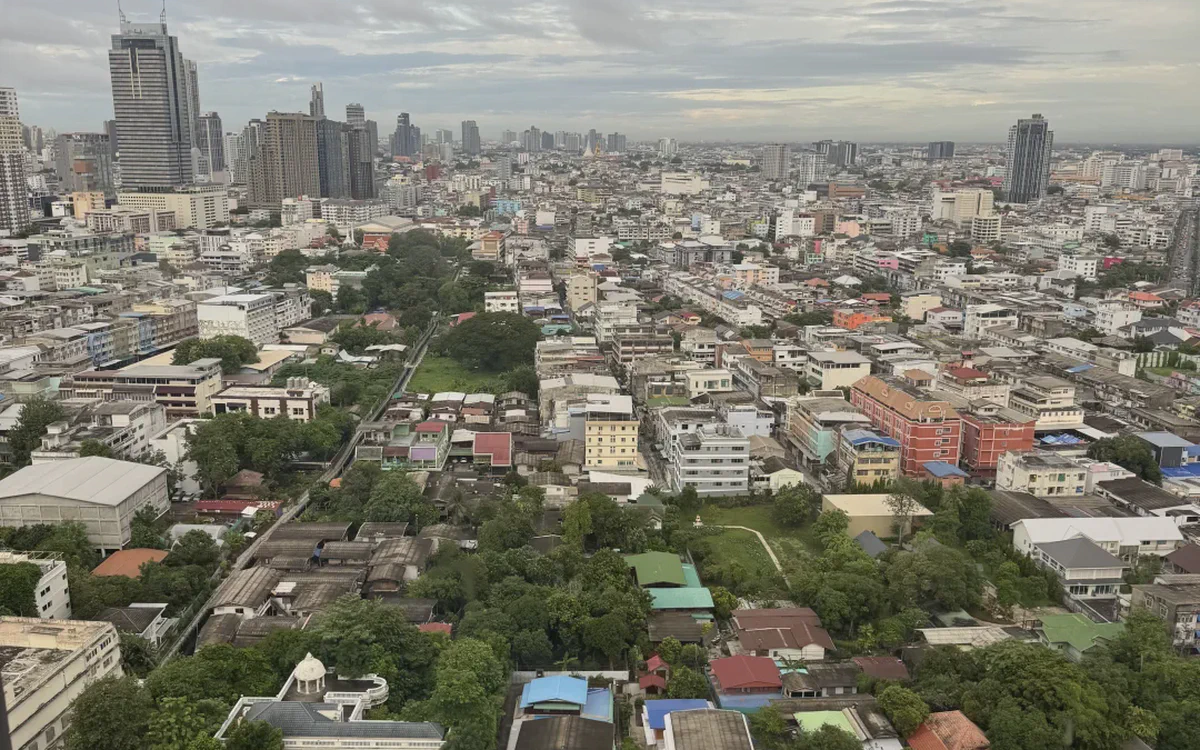
Bangkok is the most useful first base for many travelers because it combines the country’s main gateway with temples, river neighborhoods, shopping and food. It is also hot, sprawling and traffic-heavy. Use the Bangkok guide to choose a neighborhood and build days by area rather than crossing the city for every meal.
For a historic half-day, pair the Grand Palace area with Wat Pho and the river crossing to Wat Arun, allowing time for security, footwear, heat and a meal nearby. Check each official attraction page for current opening and ticket information instead of copying an old price. Use the Bangkok temples guide to decide how many temple interiors your group can appreciate before the details blur together.
Commerce is a separate Bangkok anchor. The Bangkok shopping guide helps you choose between air-conditioned malls, markets and local shopping areas. Put shopping in the hottest part of the day when possible, then eat close to where you finish. The Bangkok food guide is more useful than chasing an isolated restaurant across town: Yaowarat, market food and modern food halls each fit a different evening and budget. A short river ride can provide a breeze and a change of pace, but build the pier and walking time into the block.

Chiang Mai: Old City, mountains, markets and cooking
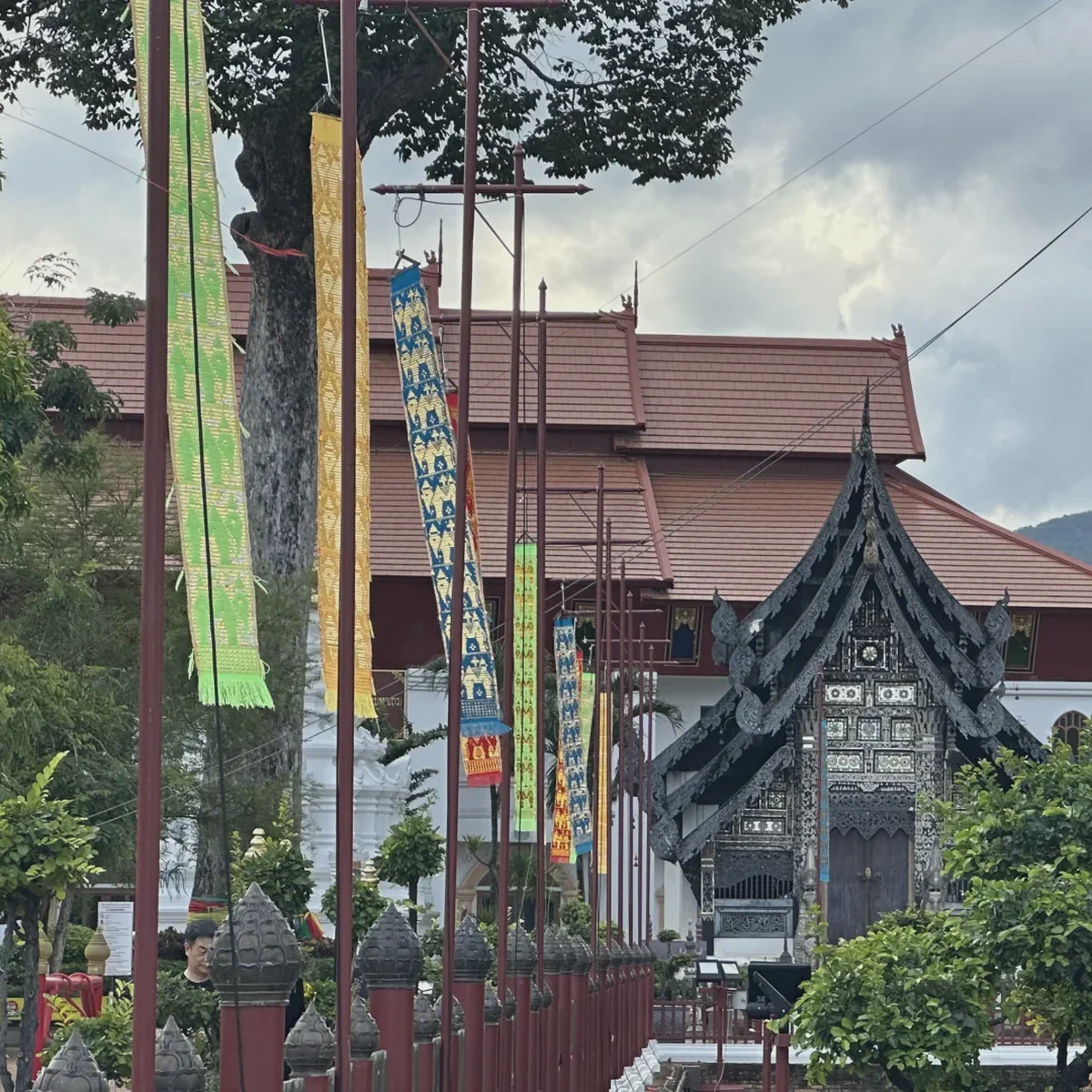
Chiang Mai suits travelers who want a smaller urban base with northern food, temples and mountain access. The Chiang Mai guide and Old City guide help you keep the first day walkable: choose one or two temple anchors, lunch, a shaded rest and an evening market rather than a checklist of every gate and shrine.
On a second full day, choose one geography-first plan. A Chiang Mai cooking class usually works as a half-day block, especially when a market visit is included; leave the other half for a slow café or Old City walk. Alternatively, take a Chiang Mai day trip into the mountains and replace the cooking block rather than adding both to an already long day. Smoke, heat and rain can change the view, so keep expectations tied to conditions. For elephant encounters, choose a venue that does not offer riding, performances or forced close contact, and read the operating details before booking.
Islands and beaches: choose by access and resort character
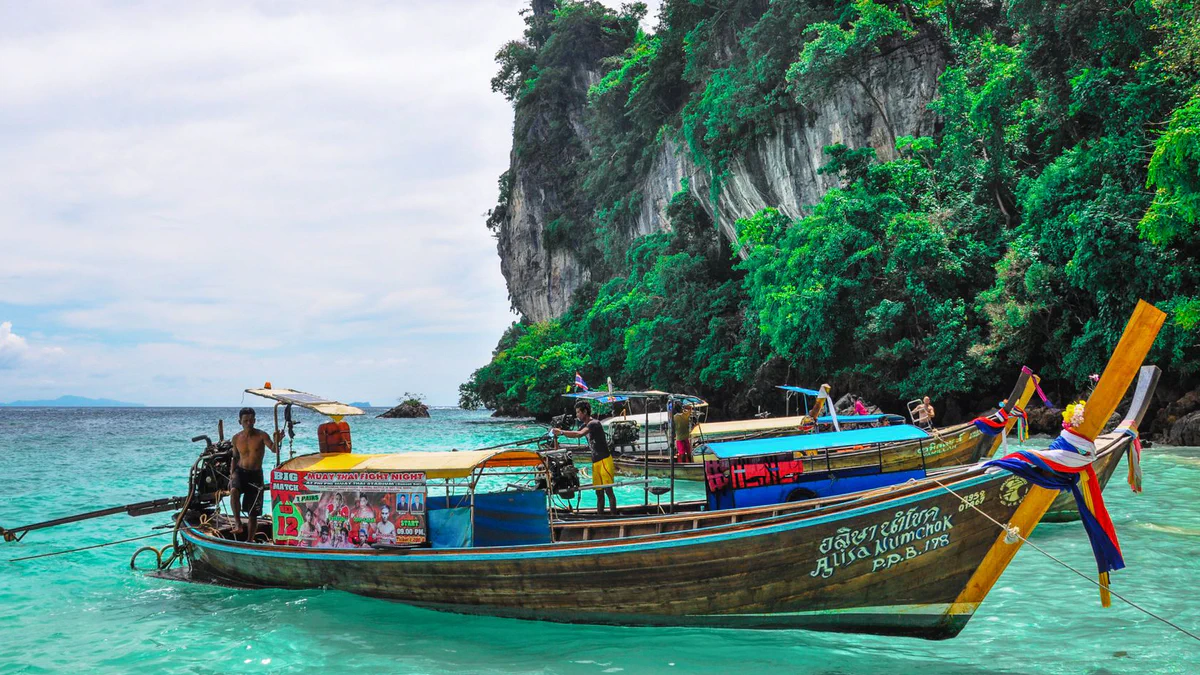
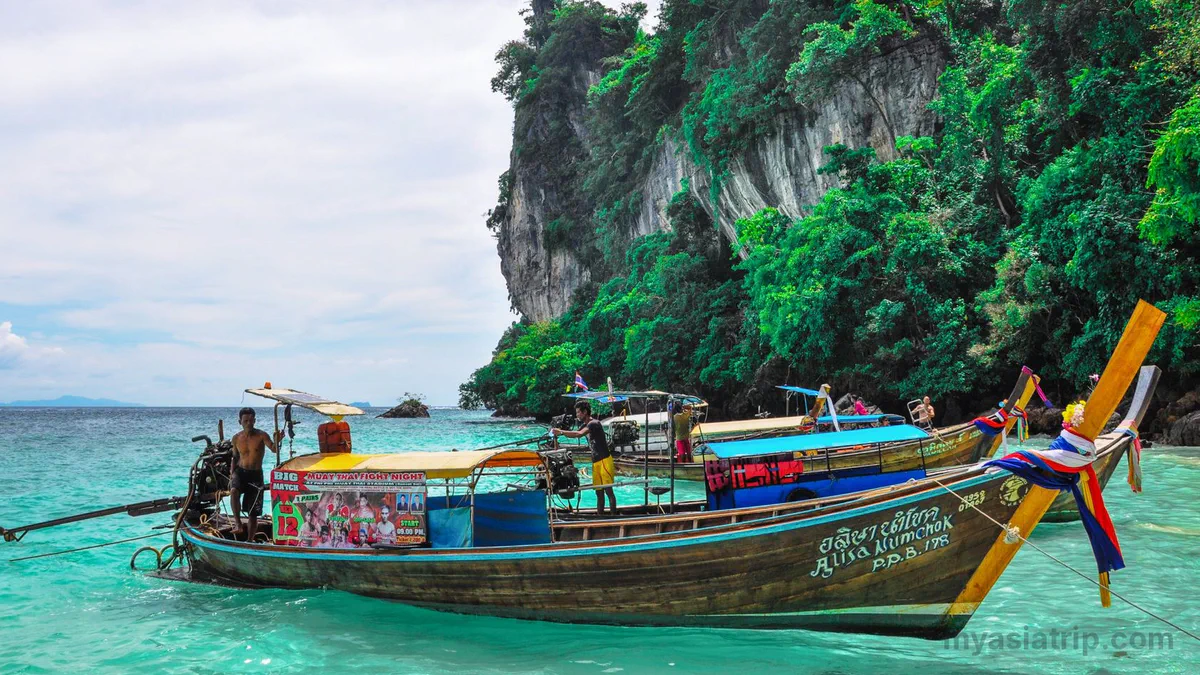
An island is not just a beach color. It determines flights or ferry connections, how much you can do without a vehicle, the kind of evening you will have and how painful a weather delay becomes. Use Thailand islands and beaches for the route-level comparison.
| Base | Suits travelers who want | Resort character and access trade-off |
|---|---|---|
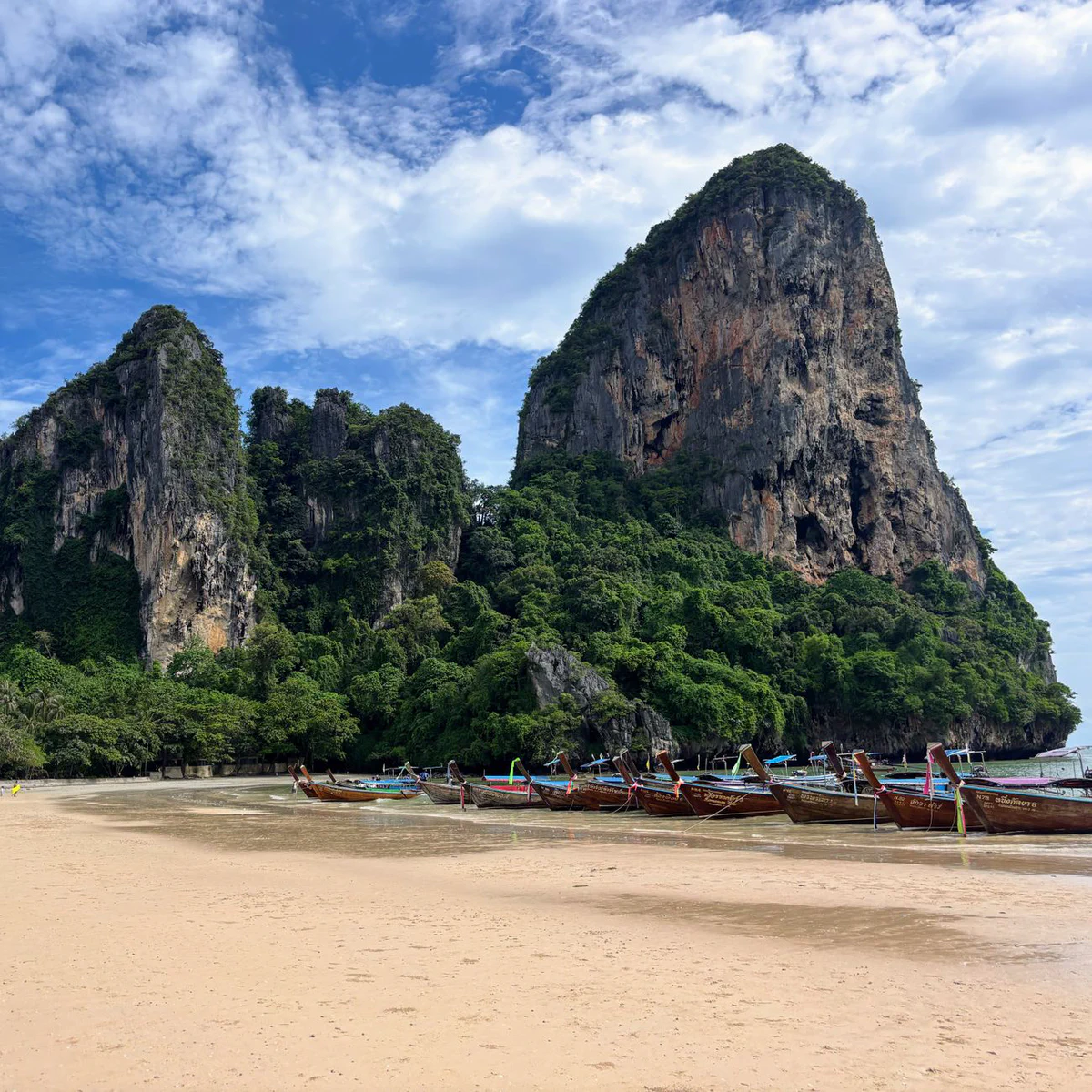
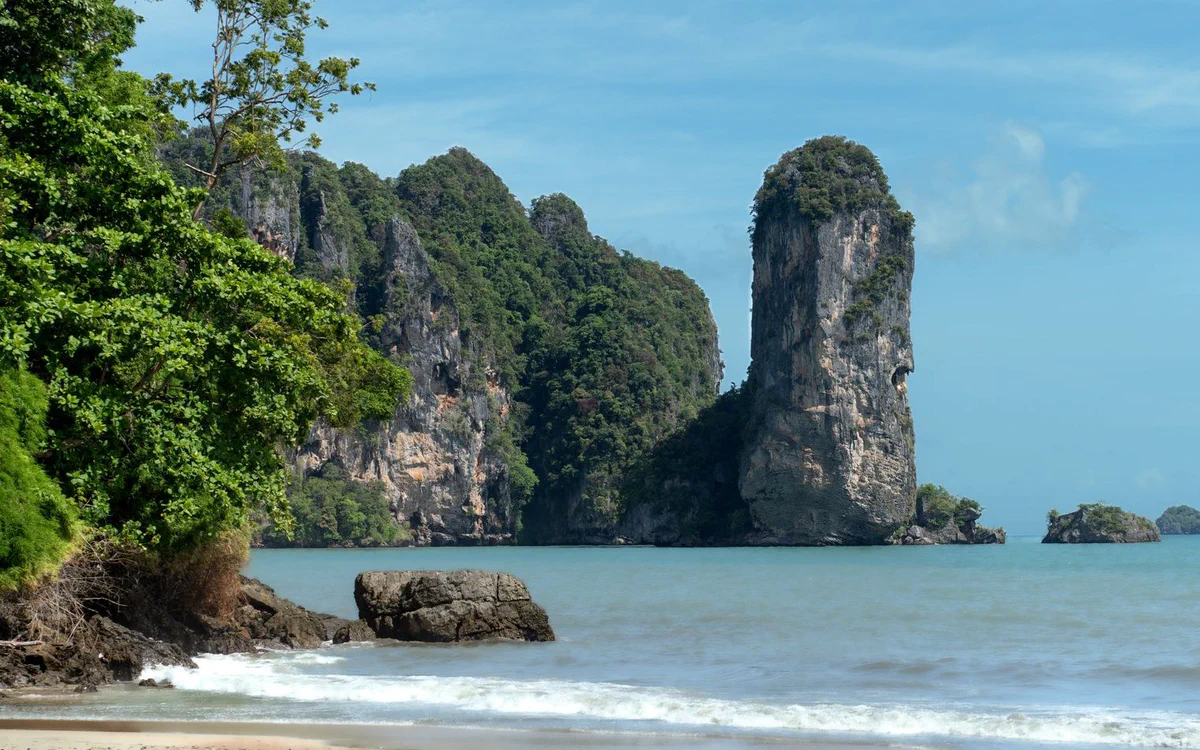
| Krabi, Ao Nang and Railay | Limestone scenery, climbing, boat trips and a mainland base | Ao Nang has the broadest practical base; Railay adds boat-only access and a more contained stay, so luggage and sea conditions matter |
| Phuket | The widest range of rooms, restaurants, beaches and activities | Large and developed, with very different beach areas; variety is useful, but road transfers and busy zones can erode a quiet beach plan |
| Koh Samui | A developed Gulf island with resorts, dining and easy day-planning | Broad accommodation choice and airport access, but busier beaches feel like resort towns rather than remote escapes |
| Koh Tao | Diving, snorkeling and a compact, social island rhythm | A strong choice for a dive-focused trip; boat access and hilly or uneven roads make a light bag and realistic transfer buffer worthwhile |
| Koh Phangan | A party date, yoga and quiet coves on the same island | Choose the area around the event calendar; party logistics and quieter resort areas are very different experiences |
Do not combine two islands just to collect names. Replace a second island with a full rest day when the first ferry, check-in and boat tour already consume your energy. Krabi can replace Phuket when limestone scenery and a more focused base matter more than maximum resort choice; Koh Tao can replace a general beach stop when diving is the actual purpose.
Ayutthaya and Sukhothai: two different history choices
Ayutthaya is the easier historical add-on from Bangkok. A half or full day can work, but count the road or rail transfer, heat around exposed ruins, lunch and your return before an evening flight. Use the Ayutthaya day-trip guide and replace a Bangkok shopping or market block rather than treating the ruins as a free extra.
Sukhothai rewards a slower dedicated base. The spread-out historical park is better suited to an early start, a bicycle or local transport choice, a midday retreat and a second session near sunset conditions. It can replace Chiang Mai in a history-led route, but it is a poor add-on when your only spare time is a rushed morning. Link the choice to the best-places guide when deciding whether a quieter heritage stop is worth another hotel move.
National parks: Khao Yai, Khao Sok and Erawan
Khao Yai National Park works as a nature change of pace from Bangkok or as an overnight detour for travelers who want forest, waterfalls and wildlife. A day trip is possible but can feel compressed; an overnight allows a slower early start and a better chance to avoid the hottest hours. Use a licensed guide where park rules or wildlife interpretation make that practical, and check current closures and trail conditions.
Khao Sok is a deeper rainforest choice, with travel time that deserves more than a decorative one-night stop. It fits a two-week route or a beach replacement when rainforest and lake scenery matter more than adding another resort. The best-places guide gives the wider route comparison; water-based activities are particularly sensitive to rain and wind, so check current operator conditions.
Erawan National Park can suit a western Thailand nature block, especially for travelers prepared for uneven paths, heat and wet surfaces. It should replace a city day or a different park, not be stacked onto an already long transfer. National parks are not air-conditioned attractions: bring water, sun protection, footwear with grip and a plan for returning before fatigue turns a beautiful trail into a difficult one.
Food and drink
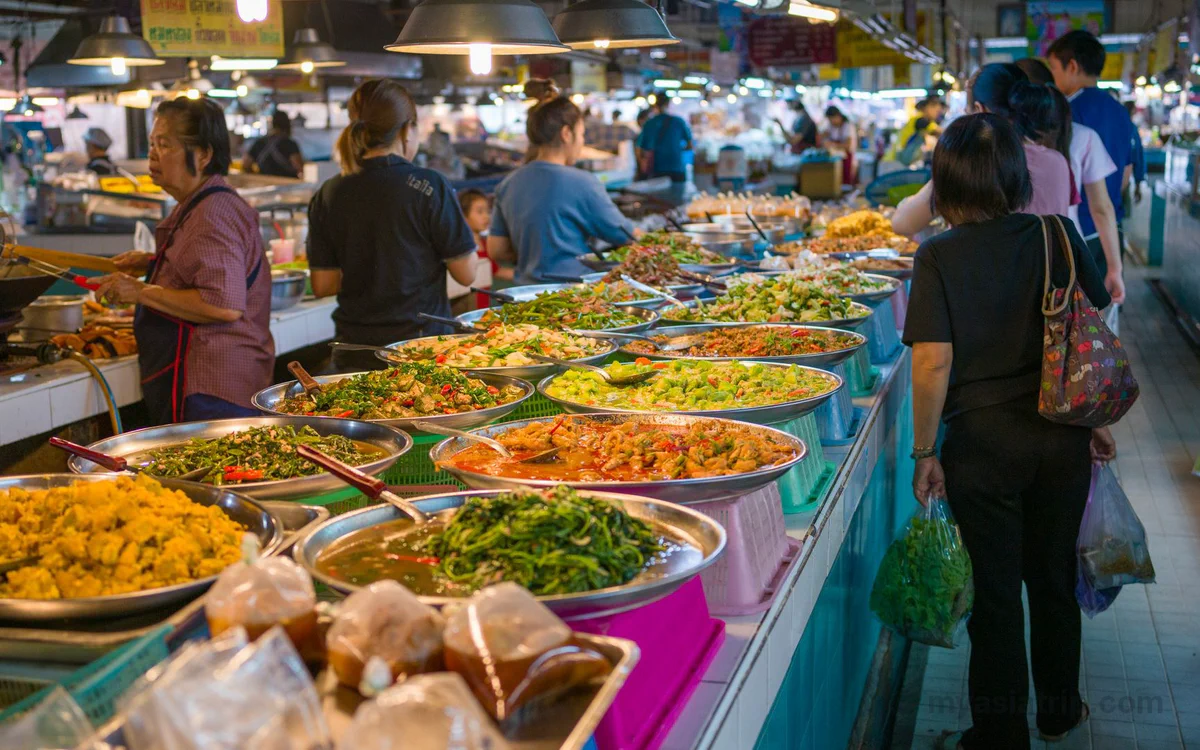
Thai food is regional, shared and adjustable at the table. Pad Thai is useful as a familiar starting point, but a country-wide food plan should leave room for dishes that reflect where you are. This comparison follows the broad Central, Northern/Lanna, Northeastern/Isaan and Southern framing used by Thai tourism sources; it is a planning map, not a ranking of authenticity.
| Region | Dishes and drinks to look for | Flavor and ordering note |
|---|---|---|
| Central Thailand and Bangkok | Pad Thai, tom yum goong, tom kha gai, green curry, massaman curry, pad krapow, boat noodles, mango sticky rice, Thai milk tea | A broad range of sweet, sour, salty and spicy dishes; ask for less spicy if needed, but expect the kitchen’s idea of “mild” to vary |
| Northern Thailand / Lanna | Khao soi, sai ua sausage, nam prik ong, nam prik noom, gaeng hang lay, sticky rice, local coffee | Coconut curry noodles can be rich, while chili dips and sausage bring smoke and heat; order shared sides and keep water nearby |
| Northeastern Thailand / Isaan | Som tam, larb, gai yang, nam tok, sticky rice, grilled pork and fermented fish-based dishes | Sour, salty and chili-heavy flavors are common; ask about pla ra or shrimp paste when allergies, pregnancy or dietary rules matter |
| Southern Thailand | Gaeng som, gaeng kua kling, Southern-style yellow curry, seafood, turmeric chicken, roti with curry, iced tea | Curries can be sharper and hotter; coconut, turmeric and seafood are common, so choose a milder shared dish alongside a fiery one |
Ordering is usually easier with a spoon and fork; chopsticks are mainly associated with noodle soups. Thai meals work well as one rice dish plus two shared dishes, with a soup or salad added when the group wants contrast. Condiments such as sugar, vinegar, dried chili and prik nam pla let diners fine-tune a plate, but they do not remove an allergy or dietary ingredient.
Say “mai phet” for less spicy and repeat the request when the dish is chili-led. For vegetarian or vegan food, “jay” is useful, but ask about fish sauce, shrimp paste, egg and stock rather than relying on a label. Seafood, peanuts and fermented ingredients appear in dishes where a visitor may not expect them. In smaller towns, point to the ingredient you cannot eat and keep a translation note ready.
Busy stalls with visible turnover are often easier to assess than a quiet tray sitting in the heat, but no rule makes food risk-free. Choose food cooked hot, keep hands clean before eating and use bottled or treated drinking water when local guidance advises it. Ice and fresh shakes vary by preparation; ask how ice is made if you are uncertain. The Thailand food guide covers the full dish and menu-term decision, while the Bangkok food guide handles city-specific eating areas.
Etiquette and safety
Is Thailand Safe? Risks, Scams and Emergency Numbers
Thailand Travel Insurance: Compare Cover, Cost and Exclusions
Thai etiquette is mostly about noticing context. Dress with shoulders and knees covered for religious sites, remove shoes where requested, and sit so your feet do not point toward people or Buddha images. The wai is a respectful greeting, but a warm verbal greeting is fine in many casual interactions. Ask before photographing worshippers, monks or private-looking spaces, and do not touch religious objects or climb on monuments.
Keep the head-and-feet conventions in mind: touching someone’s head can be intrusive, while feet are considered the low part of the body. Treat the monarchy and public rules seriously; laws can carry consequences that are not obvious to visitors. Rules affecting smoking, vaping, controlled substances and prescription medicines can change, so check current official guidance and carry required documentation.
Safety planning is behavioral, not a promise that every route will feel the same. Use metered or clearly priced transport where possible, keep your phone and passport secure in crowds, and do not hand over a rental vehicle without recording its condition. For scooters, the relevant questions are your license, insurance wording, helmet and road confidence—not whether other travelers appear to be doing it. At night, keep control of your drink and the ride home. Travel insurance should match the activities you actually plan, including medical care, evacuation and vehicle exclusions.
Getting connected

Practical planning checklist
- Check the entry route for your passport shortly before departure, and complete TDAC separately from any visa process.
- Match the coast to its seasonal pattern; do not let a national weather label choose the island for you.
- Count arrival, departure, luggage and rest as real itinerary time.
- Keep a cash reserve for markets, food stalls and small transport payments.
- Book popular accommodation, trains and island connections early when traveling on peak dates, but check change and cancellation terms.
- Make every scooter, boat, park and adventure decision against the actual insurance wording.
- Replace an optional attraction with lunch, shade or sleep when the transfer would make the day brittle.
Quick reference: Thailand at a glance
| Planning question | Practical answer |
|---|---|
| Best time to visit | Often November to February for easier northern and central outdoor days; coast conditions differ |
| Peak demand | Commonly December to February, with local holidays and island conditions varying |
| Currency | Thai Baht (THB); cards are useful, but carry cash for markets and small purchases |
| Entry | Passport-specific; verify the live visa route, permitted stay and TDAC separately |
| Route shape | Two bases for seven days; three bases can work in ten days; add depth before adding names |
| Food starting points | Central pad krapow and tom yum; Northern khao soi; Isaan som tam and larb; Southern curry and seafood |
| Transport habit | Group sights geographically, confirm live rail and operator details, and leave ferry buffers |
| Risk habit | Agree prices, protect documents, use proper licenses and insurance, and treat safety as behavior |