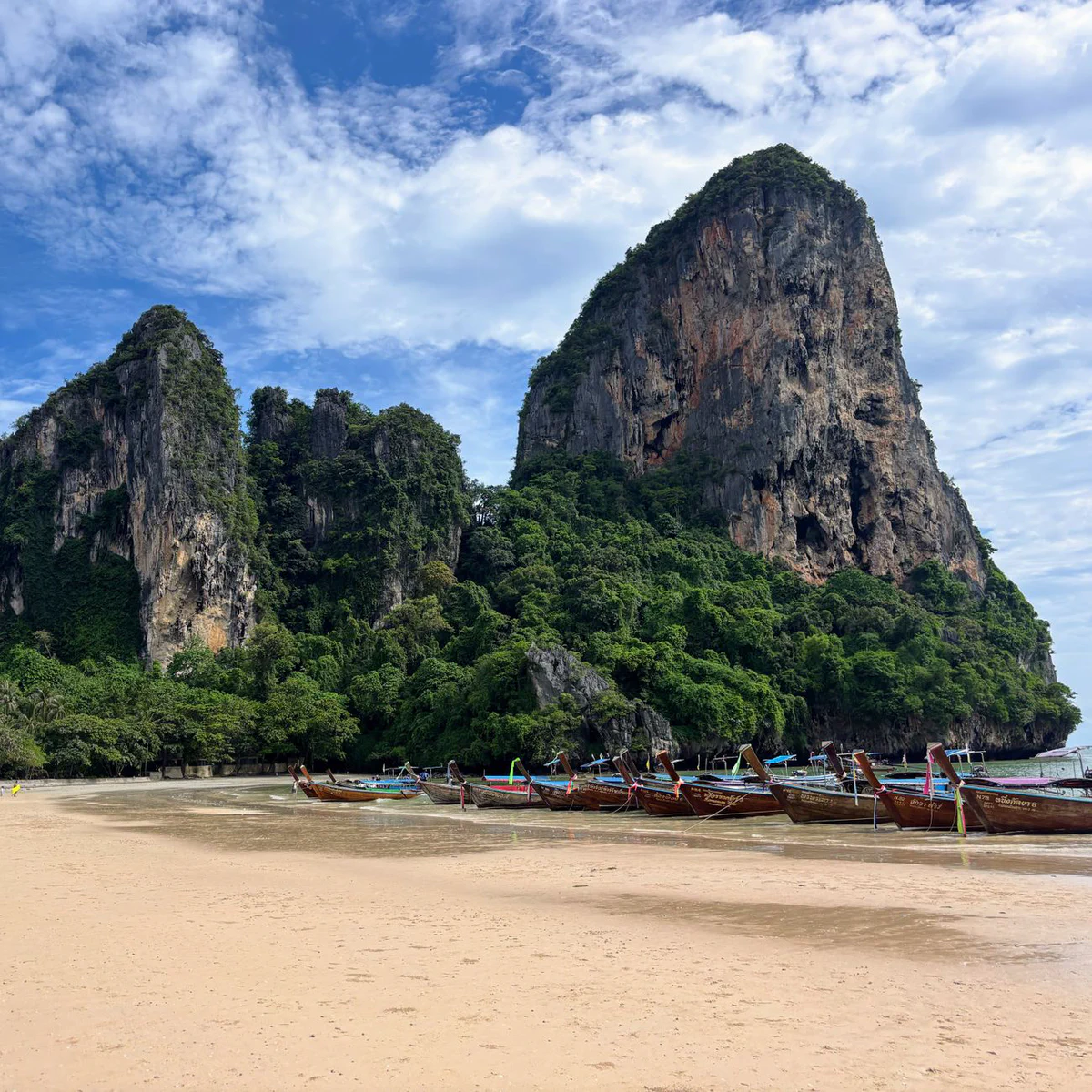
Bangkok Itinerary 2 Days: The Essential First-Time Route
Use two days in Bangkok for the riverside temples, Chinatown, modern Siam and one calendar-dependent market without wasting time in traffic.


Two days in Bangkok is essentially a selection problem. You have just enough time to experience the historic river corridor and one modern or market-focused day, but you absolutely cannot squeeze in Ayutthaya, a distant floating market, and every famous mall without turning your trip into a blur of exhaustion. Choose your battles early.
How to use this Bangkok itinerary: 2 days, two compact areas
This route assumes you have two full sightseeing days and a hotel with useful rail or river access. Bangkok distances are deceptive: two places can look five minutes apart on a map, but once you factor in the humidity, a missing canal bridge, or an awkward station exit, that transfer can easily eat an hour of your afternoon. To protect your time, we’ve grouped the Old City and river on Day 1, then moved to the rail-connected modern districts on Day 2.
Stay near Siam, Silom, or Sukhumvit (close to Asok) if this is your first visit. A practical riverside pier is also a great base. The “best” neighborhood depends on your evening plans, but a short walk to a BTS station or a reliable boat connection matters much more than a fashionable neighborhood name. Read our Bangkok where-to-stay guide before you’re tempted by a cheaper hotel that leaves you at the mercy of the city’s gridlocked taxis.
Make the Grand Palace decision before you land. It’s a magnificent complex, but it requires more time, stricter dress, and a much higher attention budget than a quick temple stop. If royal history isn’t your main interest, focusing on Wat Pho and Wat Arun can create a much more balanced morning. This isn’t a failure to “do” Bangkok; it’s a smart trade-off to keep the heat from ruining your first day.
Two days at a glance
| Day | Morning | Afternoon | Evening |
|---|---|---|---|
| 1 | Grand Palace or Wat Pho | Wat Pho and Wat Arun | Chinatown |
| 2 | Chatuchak on a weekend, Jim Thompson House on a weekday | Siam and canal/rail connection | Rooftop, market or quiet dinner |
The second day changes with the calendar because Chatuchak is not a generic daily attraction. Do not force the weekend plan onto a weekday by substituting a distant market just because the photos look similar; the travel time will kill your afternoon. A museum visit followed by a Siam route is far more coherent and keeps you in air-conditioned comfort when the sun is at its peak.
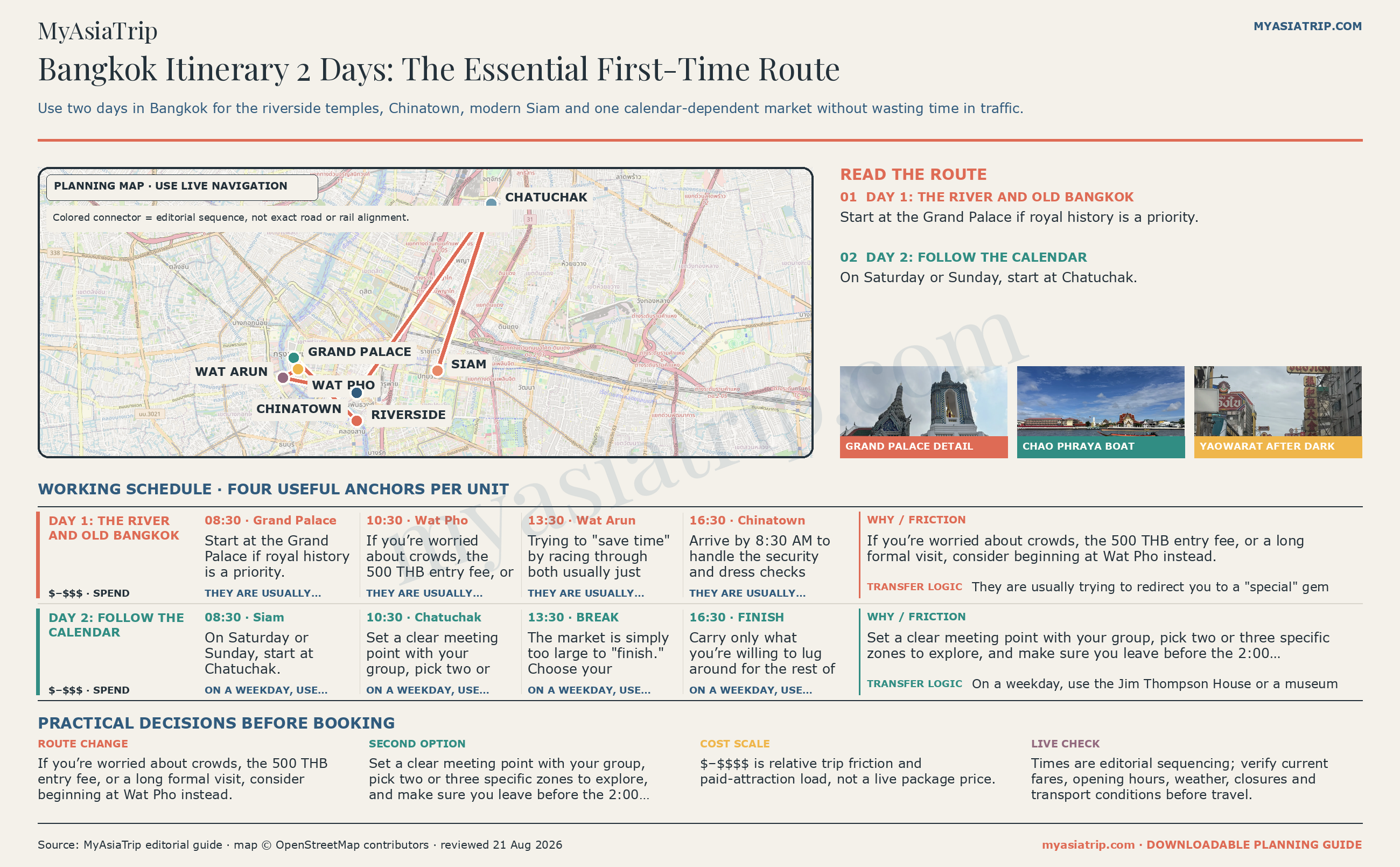
Day 1: the river and old Bangkok
Start at the Grand Palace if royal history is a priority. If you’re worried about crowds, the 500 THB entry fee, or a long formal visit, consider beginning at Wat Pho instead. Trying to “save time” by racing through both usually just produces a very tired group that can’t remember which Buddha was which.
Arrive by 8:30 AM to handle the security and dress checks before the tour groups arrive. Carry a light scarf or trousers to cover your shoulders and knees; relying on last-minute rentals outside can be a headache. Most importantly, ignore anyone outside who says the palace is closed. They are usually trying to redirect you to a “special” gem shop or a private boat. Verify any closures only at the official entrance.
You can easily walk between the Grand Palace and Wat Pho. From there, take the cross-river ferry for a few baht to Wat Arun. Build in a long, air-conditioned lunch to recover from the morning sun, and check the official site notices for each temple before you set out.
If you spend a full two hours at the Grand Palace, one additional temple is probably enough for most people. Choose Wat Pho for the reclining Buddha and its beautiful courtyards, or Wat Arun for the river crossing and its unique porcelain-covered spires. Doing both is possible, but only if you’re prepared for the physical toll of walking through exposed courtyards in the Bangkok heat.
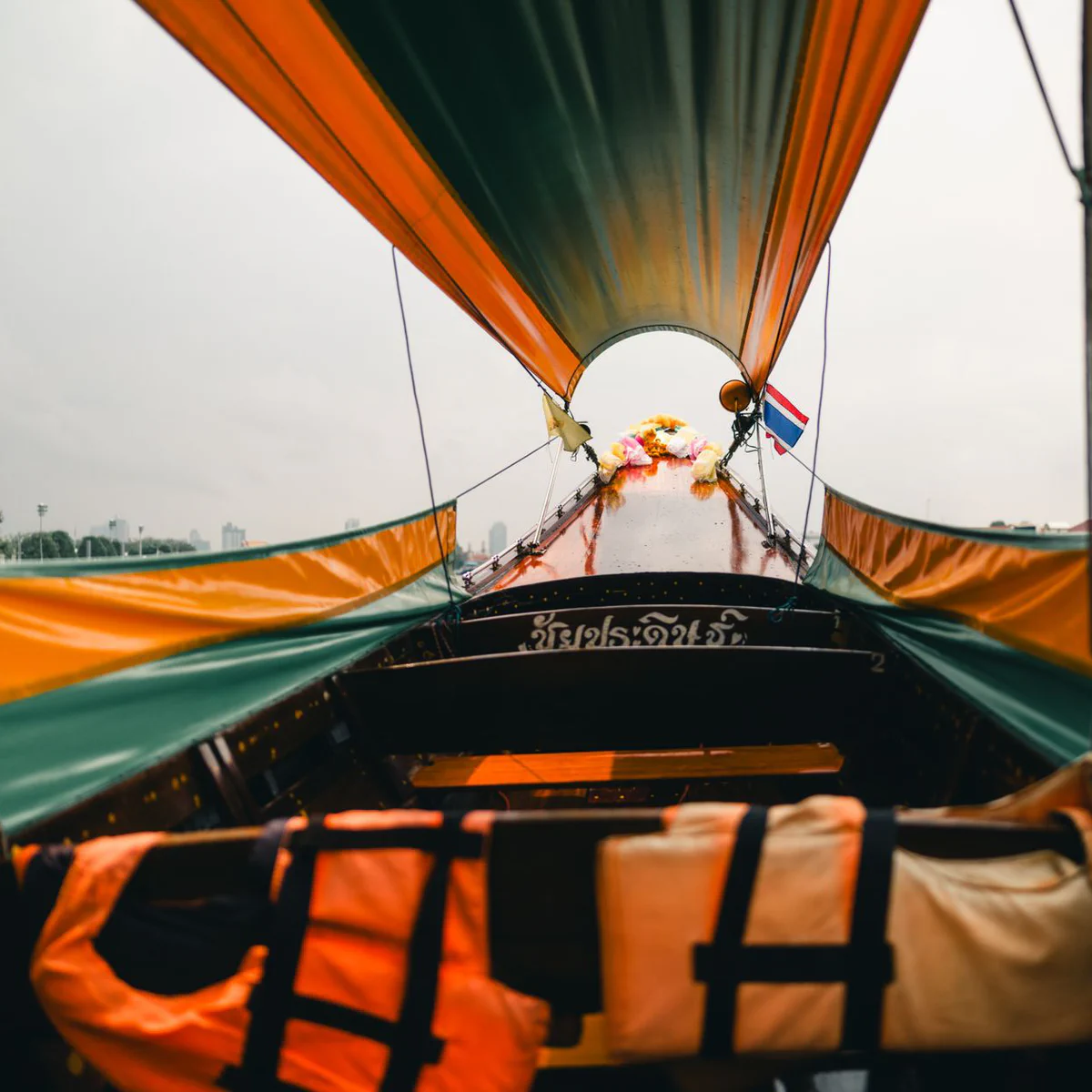
Use the river as your primary transport, not just a photo opportunity. The piers can be chaotic, so make sure you know your destination pier name before you board. Keep a screenshot of the boat route on your phone, and don’t be pressured into taking an expensive private long-tail boat when the public express boats are perfectly efficient.
After a much-needed hotel rest in the late afternoon, take the MRT to Wat Mangkon station for Chinatown. The practical choice is to eat in small rounds—try one snack, walk a bit, then try another—rather than joining the longest viral queue. Our guide to Bangkok dishes explains exactly what fits this route.
Chinatown is most enjoyable when you keep your dinner flexible. Start with something light, wander the neon-lit side streets, and see where the smells take you. If you have mobility concerns or just find loud crowds draining, aim for an earlier dinner around 5:30 PM before the densest evening rush hits Yaowarat Road.
Day 2: follow the calendar
On Saturday or Sunday, start at Chatuchak. Set a clear meeting point with your group, pick two or three specific zones to explore, and make sure you leave before the 2:00 PM heat becomes your only memory of the day.
The market is simply too large to “finish.” Choose your priorities—whether it’s vintage clothing, ceramics, or street food—and stick to them. Carry only what you’re willing to lug around for the rest of the day. If shopping isn’t your thing, keep the visit short and protect your energy for the more relaxed afternoon in Siam.
On a weekday, use the Jim Thompson House or a museum as your morning anchor, then walk or ride into Siam. This gives you a look at modern Bangkok without spending your entire day inside generic shopping malls.
Siam works because it clusters several very different experiences: a historic teak house, a contemporary arts center, high-end malls, and the canal-boat corridor. Pick two that actually interest you. Use our Bangkok BTS and MRT map to plan your route; remember that wandering through every mall isn’t “seeing the city”—it’s just a lot of walking on polished floors.
For your final evening, you have a choice: a Bangkok rooftop, a night market, or a quiet dinner near your hotel. If you have an early flight tomorrow, the quiet option is almost always the smartest one.
Only reserve a rooftop if you’re in the mood for the dress code and the premium prices. A night market is much better for casual browsing, but it does require another transfer. Staying near your hotel is the strongest choice when luggage, sleep, or a stress-free airport departure matters more than one final Instagram photo.
Heat, rain and transport adjustments
The Bangkok heat will change your walking speed, your appetite, and your patience. A safer approach is to putting exposed temple courtyards and markets early in the day, then using lunch, a museum, or a hotel rest during the brutal afternoon period. Our Bangkok weather guide explains the seasonal patterns, but simply being willing to cut the plan short is more useful than chasing a perfect forecast.
During heavy rain, the rail and river services usually keep running, but uncovered walks and road traffic become completely unpredictable. Don’t try to cross the entire city for a backup attraction. Instead, replace an exposed stop with something in the same district and keep your evening plans flexible.
Tuk-tuks are a fun local experience for a short ride, but always agree on the price first and firmly reject any route that includes “gem stores” or “tailors.” For longer journeys across the city, the BTS, MRT, and river boats will make your schedule much more predictable.
What to skip on a two-day visit
- Ayutthaya and Kanchanaburi: these are fantastic, but they each deserve a dedicated full day.
- Damnoen Saduak: the three hours of road time will consume too much of your short city visit.
- Multiple rooftop bars: pick one great view and stick with it.
- A hotel far from the rail lines just because the room price looked “cheaper.”
A simple booking checklist
- Confirm whether Day 2 is a Chatuchak weekend day.
- Check the official Royal Office notices for the Grand Palace and temples.
- Pack temple-appropriate clothing (shoulders and knees covered) in your day bag.
- Save your hotel name and address in Thai script on your phone for drivers.
- Choose one evening priority rather than making three provisional reservations.
- Work backward from your airport check-in time if Day 2 is also your departure day.
If you’re traveling with children, replace one formal temple interior with an extra boat ride, a park visit, or a longer pool break. Food lovers should reduce the time in Siam to spend more hours in Chinatown or a local market. If you’ve been to Bangkok before, skip the Grand Palace entirely and use Day 1 to explore Thonburi or Talat Noi.
Before each morning, remove one optional stop from your list in advance. Agree that it’s the first thing to go if the day slips. This simple rule prevents the group from arguing about priorities when everyone is hot and tired. Save your hotel address and key station exits for offline use, and keep enough battery for the return journey.
A good two-day visit should leave you with a real understanding of Bangkok’s river, its historic heart, and its modern ambition. If your route only produced vehicle windows and long queues, the plan was too large.
If you find you can add one more day, consider moving to the Bangkok 3-day itinerary instead of trying to squeeze the city any harder.
Checked details
Prices and opening hours
Checked 20 August 2026
- Grand Palace hours and admission
- Daily, 8:30 AM–4:30 PM; tickets sold until 3:30 PM; foreign admission 500 THB
- Verify with Grand Palace official FAQ
- Wat Pho hours and admission
- Daily, 8:00 AM–7:30 PM; foreign admission 300 THB
- Verify with Wat Pho official visit information
Live prices, closures and admission conditions can change after the checked date. Use the linked operator page before booking or departure.
Quick answers
Frequently asked questions
Is two days enough for Bangkok?
Where should I stay for a two-day Bangkok trip?
Research notes
Official planning references
We use these primary references for the time-sensitive details relevant to this guide. Rules, prices and operating hours can change, so confirm the live information before you travel.
- BTS Skytrain — Routes and Fares
Details to check: Official BTS route and fare checks behind the modern-Bangkok day (checked 2026-08-30).
- Bangkok MRT — System Map
Details to check: Official MRT stations and service-window checks behind the Old City connections (checked 2026-08-30).
- Tourism Authority of Thailand — Bangkok
Details to check: Official destination context for the temple, market and district choices (checked 2026-08-30).
Guide reviewed 30 August 2026. Confirm live rules, prices and operating details with the linked authority before travel.