Bangkok 5-Day Itinerary: Temples, Markets & Day Trips (2026)
Plan five days in Bangkok by geography, covering major temples, Chatuchak and one day trip, with realistic transport, heat, meal and recovery buffers.


Five days in Bangkok gives you enough room to experience the main temples, dive into the food neighborhoods, and take at least one meaningful trip beyond the city limits without feeling like you’re constantly checking a stopwatch. This route groups stops by geography to save you from the worst of the traffic, while leaving enough space for the humidity and those moments when you just need a quiet coffee. If you have a full week, you might want to look at our Bangkok 7-day itinerary for an even more relaxed pace.
How to use this Bangkok 5-day itinerary
The key to enjoying Bangkok is building each day around the BTS Skytrain, the MRT, or the river boats. Crossing Bangkok by taxi at 5:00 PM can consume the only free afternoon in the itinerary. This itinerary allows for one major outing per day, plus plenty of time for the inevitable queues and a much-needed afternoon reset.
Transport: To keep your sanity, use the BTS and MRT whenever you can. They’re fast, air-conditioned, and completely bypass the road chaos. For anything near the river, the Chao Phraya Express Boat is your best friend—it’s cheap and much more atmospheric than a bus. Taxis and Grab are fine for short hops, but always factor in extra time for the traffic. Stick to metered taxis or use a ride-hailing app so you don’t have to haggle in the heat. And a word of advice: if a tuk-tuk driver offers a “special” price that involves a stop at a gem shop, just politely decline. It’s a classic commission scam that will waste your afternoon.
Pacing: Bangkok is hot and humid year-round. Check our Bangkok weather guide for the seasonal details, then plan your heaviest outdoor walking for the morning. Retreat indoors during the brutal midday sun. Most temples close in the late afternoon, so aim to be at the Grand Palace or Wat Pho as early as you can.
Dress code: Temples are active religious sites and they expect a certain level of respect. You must cover your shoulders and knees. While the Grand Palace used to lend out sarongs, they’ve mostly stopped that, so it’s much easier to just bring your own light scarf or wear long, breathable trousers. You’ll be taking your shoes off constantly, so wear something that’s easy to slip on and off.
Scams: Be wary of anyone standing near the Grand Palace who claims it’s “closed for lunch” or a “Buddhist holiday.” They’re almost always trying to sell you a tuk-tuk tour you don’t need. The palace is open daily, so just head straight to the official gates. Trust your own research over unsolicited advice from strangers on the street.
Flexibility: This plan assumes you’ll be hitting the weekend market on Day 3. If your dates don’t line up, don’t sweat it—just swap the days around or substitute another attraction like the Jim Thompson House. If you arrive on a Wednesday, consider doing the Day 4 trip first and saving the markets for the weekend.
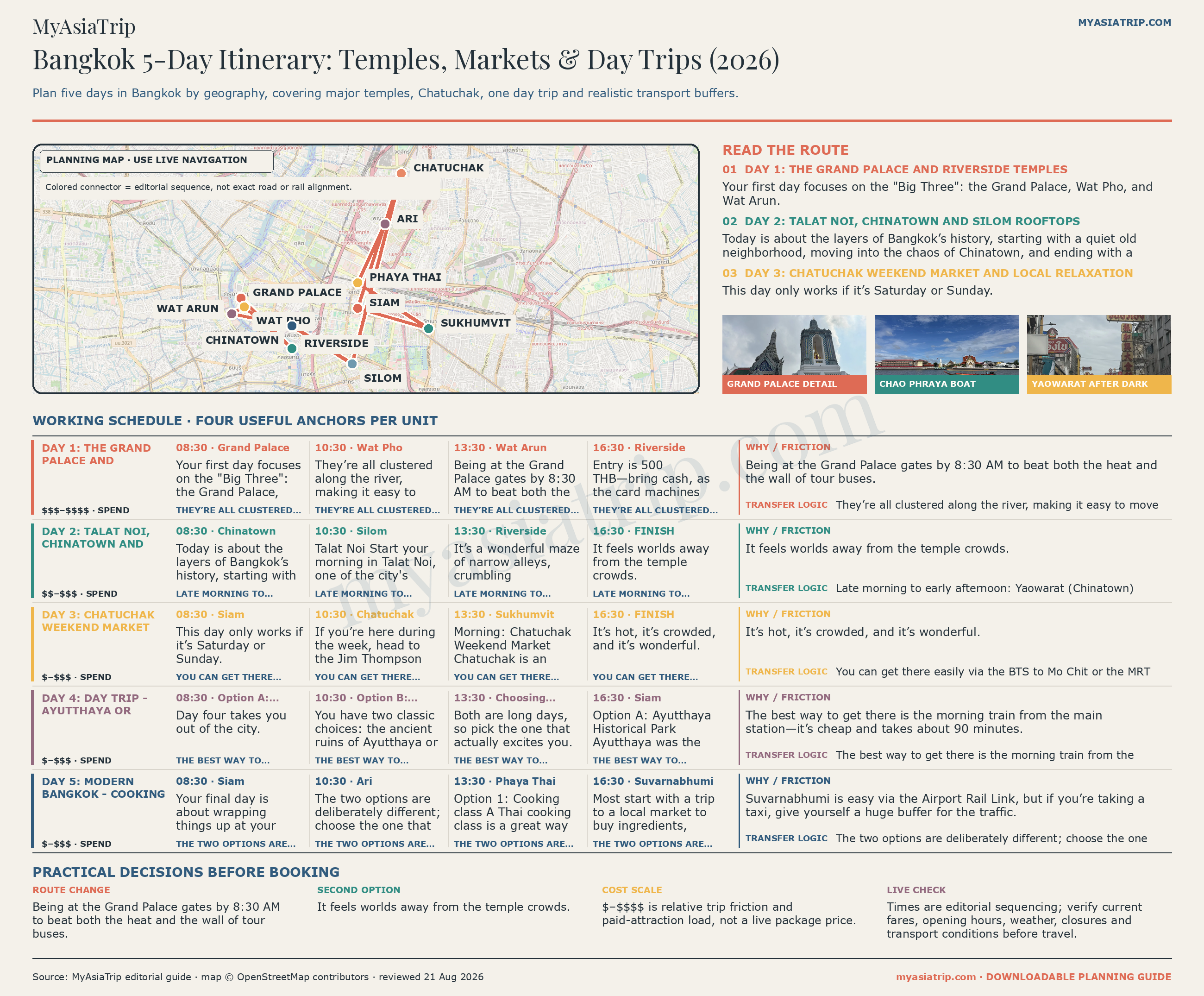
Day 1: The Grand Palace and riverside temples
Your first day focuses on the “Big Three”: the Grand Palace, Wat Pho, and Wat Arun. They’re all clustered along the river, making it easy to move between them by foot or ferry. Arrive at the Grand Palace gates by 8:30 AM to beat both the heat and the wall of tour buses. Entry is 500 THB—bring cash, as the card machines can be temperamental.
Late morning: Wat Pho It’s a short walk south from the palace to Wat Pho. The 46-meter Reclining Buddha is the main draw, but the entire complex is beautiful. It’s also the home of traditional Thai massage, and after a morning of walking on hot pavement, a 30-minute foot massage here is one of the smartest decisions you can make. It’s usually a bit less crowded than the palace, but still busy, so give yourself an hour to explore.
Lunch along the river Avoid the tourist-trap restaurants directly across from the palace. Instead, wander into the small lanes around Maharaj Road. You will find boat noodles, papaya salad and other quick meals at a range of prices. If you want a bit of air conditioning, the Tha Maharaj riverside plaza has some good options and a nice view of the water.
Afternoon: Wat Arun Take the 5-baht cross-river ferry from Tha Tien pier to Wat Arun. Its porcelain-encrusted spires are stunning, especially when the afternoon sun hits them. You can climb the central prang for a view across the river, but the steps are very steep—take your time and hold the railings. Check the official site for the latest hours, but it’s generally open until at least 5:00 PM.
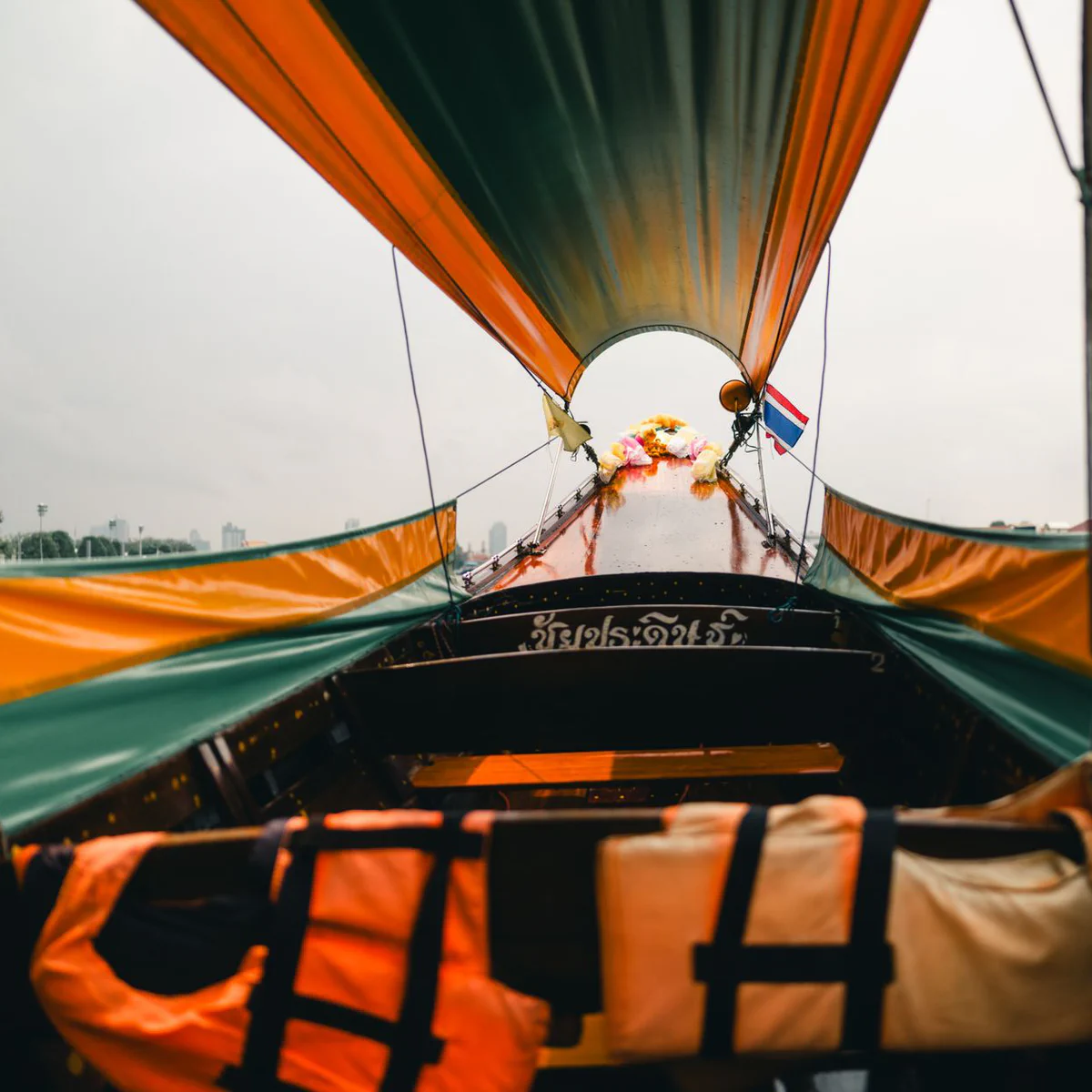
Evening: Chao Phraya boat ride As the day cools down, take an express boat ride just for the view. Heading north to Phra Athit or south to Saphan Taksin is a great way to see the city light up. You could also find a quiet riverside bar for a sunset drink. If you’re not completely exhausted, a simple river cruise is a memorable way to end your first day in the city.
Day 2: Talat Noi, Chinatown and Silom rooftops
Today is about the layers of Bangkok’s history, starting with a quiet old neighborhood, moving into the chaos of Chinatown, and ending with a view of the modern skyline.
Talat Noi Start your morning in Talat Noi, one of the city’s oldest Chinese communities. It’s a wonderful maze of narrow alleys, crumbling shophouses, and lively street art. It feels worlds away from the temple crowds. Look for the famous “Antique Turtle Car”—a vintage car that’s become a local landmark. Just wander without a map for an hour; it’s the best way to soak up the atmosphere of “old” Bangkok.
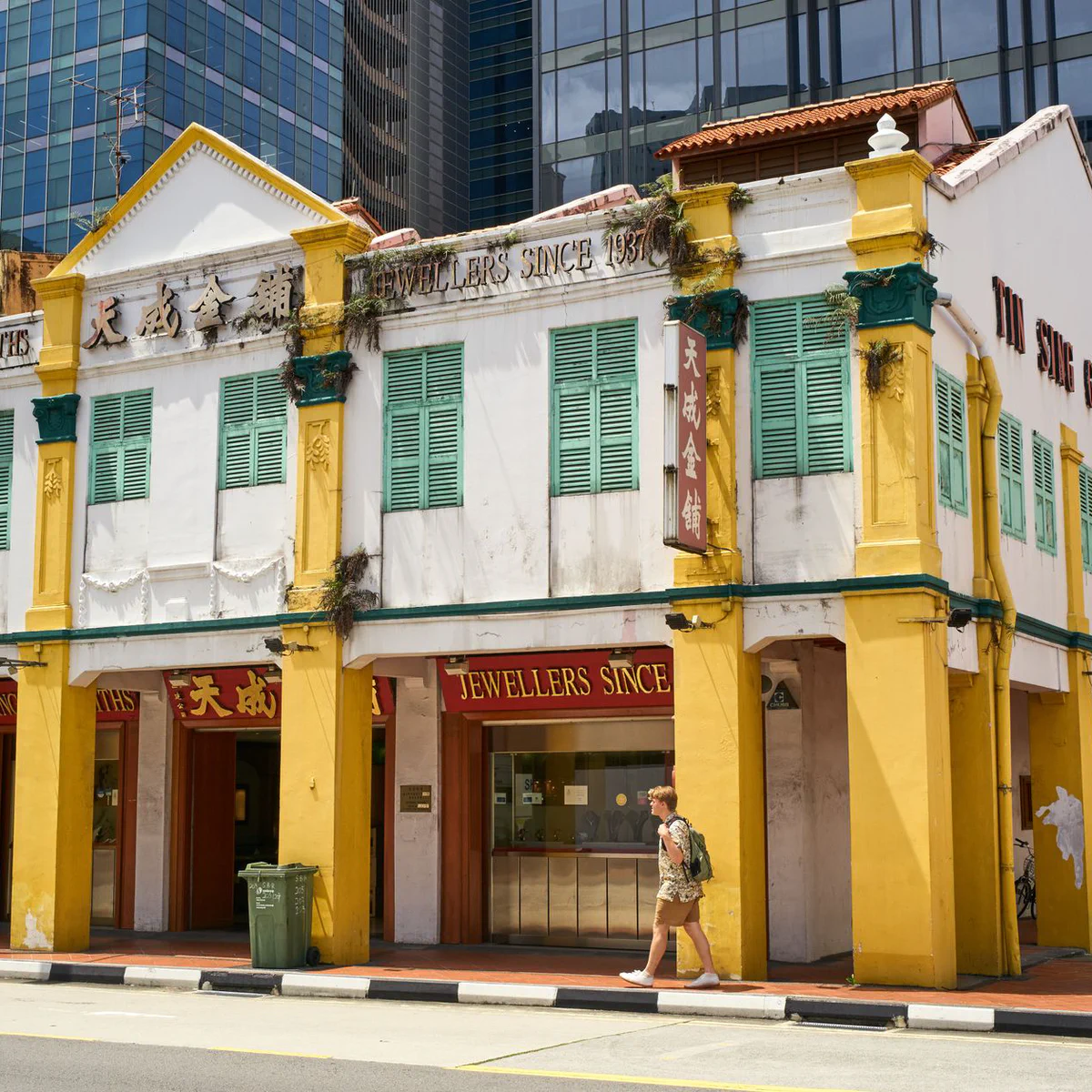
Late morning to early afternoon: Yaowarat (Chinatown) From Talat Noi, it’s a short walk or a quick tuk-tuk ride into the heart of Yaowarat. Chinatown is a sensory explosion of gold shops, herbal medicine smells, and sizzling woks. During the day it’s a busy wholesale hub; by night it becomes a street-food legend. If you need a quiet moment, duck into Wat Mangkon Kamalawat, a beautiful Chinese Buddhist temple that feels like a peaceful island in the middle of the storm. Grab lunch at any stall that looks busy with locals—you can’t go wrong with the roasted duck or the dim sum.
Evening: Silom rooftop bar As the sun starts to dip, head toward the Silom business district. This is where you’ll find some of the city’s best rooftop bars, like Vertigo at the Banyan Tree. Just remember the dress code: no shorts or flip-flops if you want to get past the elevator. The drinks are expensive, but you’re paying for one of the best views in Asia. If you’d rather keep it casual, there are plenty of great riverside bars that offer a similar view without the “sky-high” prices.
Day 3: Chatuchak weekend market and local relaxation
This day only works if it’s Saturday or Sunday. If you’re here during the week, head to the Jim Thompson House and then spend a quiet afternoon in Lumpini Park instead.
Morning: Chatuchak Weekend Market Chatuchak is an absolute beast of a market with over 15,000 stalls. It’s hot, it’s crowded, and it’s wonderful. The practical choice is to arrive by 9:30 AM, pick a few specific sections to explore (like ceramics or vintage clothes), and make sure you’re out by 1:00 PM before the heat becomes unbearable. Wear your most comfortable shoes and bring plenty of water. Bargaining is part of the fun, but keep it friendly. You can get there easily via the BTS to Mo Chit or the MRT to Chatuchak Park.
Lunch at the market The food section is a highlight in itself. Don’t miss the coconut ice cream or the grilled honey pork. If you need a break from the sun, there are plenty of covered food courts where you can sit down and regroup with a cold drink.
Afternoon: Lumpini Park or Jim Thompson House After the chaos of the market, you’ll likely want something a bit quieter. Lumpini Park is a 140-acre green lung in the middle of the city. It’s perfect for people-watching or just sitting in the shade. Keep an eye out for the large monitor lizards—they’re harmless if you keep your distance, but they can be a bit of a surprise! Alternatively, the Jim Thompson House is a beautiful cluster of teak buildings and lush gardens. The guided tours are excellent and give you a fascinating look at the life of the man who saved the Thai silk industry.
Evening: Sukhumvit or local food Since you’re already on the BTS/MRT line, head over to Sukhumvit for dinner. Whether you want a high-end meal in Thong Lo or some casual street food in Ekkamai, the options are endless. If you’re not ready to leave the market area, the Friday night market at Chatuchak is a slightly more relaxed version of the weekend madness.
Day 4: Day trip - Ayutthaya or floating market
Day four takes you out of the city. You have two classic choices: the ancient ruins of Ayutthaya or the photogenic chaos of a floating market. Both are long days, so pick the one that actually excites you.
Option A: Ayutthaya Historical Park
Ayutthaya was the capital of Siam for over 400 years. Today, it’s a massive park of ruined temples and headless Buddha statues that’s genuinely impressive. The best way to get there is the morning train from the main station—it’s cheap and takes about 90 minutes. Once you’re there, hire a tuk-tuk for a few hours to take you between the main sites. It’s a lot of walking in the sun, so bring a hat and plenty of water.
Return: Try to be back on a train by mid-afternoon. If you wait until the evening rush, you’ll be fighting the commuter crowds and the journey will feel twice as long.
Option B: Damnoen Saduak Floating Market and Maeklong Railway Market
This is the classic “tourist” day trip. It’s a bit of a trek (about 70-80 km), but it’s undeniably photogenic. Damnoen Saduak is the most famous floating market. Yes, it’s very touristy, but seeing the vendors selling fruit and snacks from their boats is a quintessential Thai experience. Arrive as early as you can to beat the worst of the crowds. Maeklong Railway Market is where the vendors set up right on an active train track. When the train whistle blows, they pull back their awnings in seconds, let the train pass, and then go right back to business. It’s a brief but fascinating spectacle.
Logistics: Most people book this as a guided tour, which simplifies the transport. If you go independently, you’ll be juggling minibuses and local taxis, which can be a bit much for a short trip. Be prepared for crowds, especially if you’re traveling on a weekend.
Choosing between the two
If you love history and ruins, Ayutthaya is the clear winner. It has a scale and a sense of history that a market can’t match. If you’re more about the photos and the novelty of life on the water or the tracks, the market trip is for you. Just don’t try to do both in one day—you’ll just end up exhausted.
Day 5: Modern Bangkok - cooking class and shopping
Your final day is about wrapping things up at your own pace. The two options are deliberately different; choose the one that fits your flight schedule.
Option 1: Cooking class A hands-on cooking class is a great way to take a piece of the city home with you. Most morning sessions include a wet market tour followed by an interactive cooking module where you prepare and eat four classic dishes. Compare schools, neighborhood transit, and morning versus evening schedules in our guide to Bangkok cooking classes.
Option 2: Shopping and Siam Square If you have some last-minute shopping to do, head to the Siam district. Siam Paragon is all about luxury, while MBK is the place for electronics and souvenirs. If you want something a bit more local and artsy, the Bangkok Art and Culture Centre (BACC) is right nearby and often has great free exhibitions.
Wrap-up and departure Don’t underestimate the time it takes to get to the airport. Suvarnabhumi is easy via the Airport Rail Link, but if you’re taking a taxi, give yourself a huge buffer for the traffic. This final day is meant to be flexible, so don’t feel like you have to rush. Enjoy one last iced tea, grab a final bowl of noodles, and head out with a full stomach.
Before you book your day trip, check our Bangkok day-trips guide to see which one fits your style. Use our where-to-stay comparison to make sure your hotel isn’t adding hours to your commute, and check the Bangkok travel-cost guide to help with your final budget.
Quick answers
Frequently asked questions
How many days in Bangkok is enough?
What is the best time to visit Bangkok?
What should I wear to temples in Bangkok?
Is it worth visiting a floating market?
How do I get around Bangkok?
Research notes
Official planning references
We use these primary references for the time-sensitive details relevant to this guide. Rules, prices and operating hours can change, so confirm the live information before you travel.
- BTS Skytrain — Routes and Fares
Details to check: Official BTS route and fare checks behind the central Bangkok days (checked 2026-08-30).
- Bangkok MRT — System Map
Details to check: Official MRT stations and operating windows behind the Old City and market transfers (checked 2026-08-30).
- State Railway of Thailand — Timetables and Booking
Details to check: Official timetable pathway for the Ayutthaya day-trip option (checked 2026-08-30).
Guide reviewed 31 August 2026. Confirm live rules, prices and operating details with the linked authority before travel.