Best Islands & Beaches in Thailand: A Practical Guide
Compare Thailand's top islands—Koh Kood, Koh Tao, Koh Lipe, and more. Find the perfect beach for your travel style with seasonal tips and transport advice.


Andaman Sea vs Gulf of Thailand: which side to choose
Before you even begin dreaming of specific island names, you absolutely must pick a coast. Thailand’s two coastlines operate on entirely opposite weather patterns, and choosing the wrong coast for the month can turn a beach trip into several days of rough seas and heavy rain. The Andaman Sea (west coast, including Phuket, Krabi, and the Similan Islands) enjoys its best, driest weather from December to April. In contrast, the Gulf of Thailand (east coast, including Koh Samui, Koh Tao, Koh Kood, and Koh Mak) is at its most sparkling from February through to September. Their rainy seasons are essentially mirror images of each other. You can consult our beaches and islands collection for deeper regional comparisons and check our outdoor trip ideas if you plan to do more than just lie on the sand.

Trying to cover both coasts on a short trip is usually a mistake. It will cost you at least one full, exhausting day spent in the transit limbo of buses, ferries, and airports. A Koh Samui-to-Andaman transfer is not a casual afternoon hop; it’s a logistical marathon. Pick one coast, commit to it, and spend that saved day with your feet in the water instead of on a ferry deck.
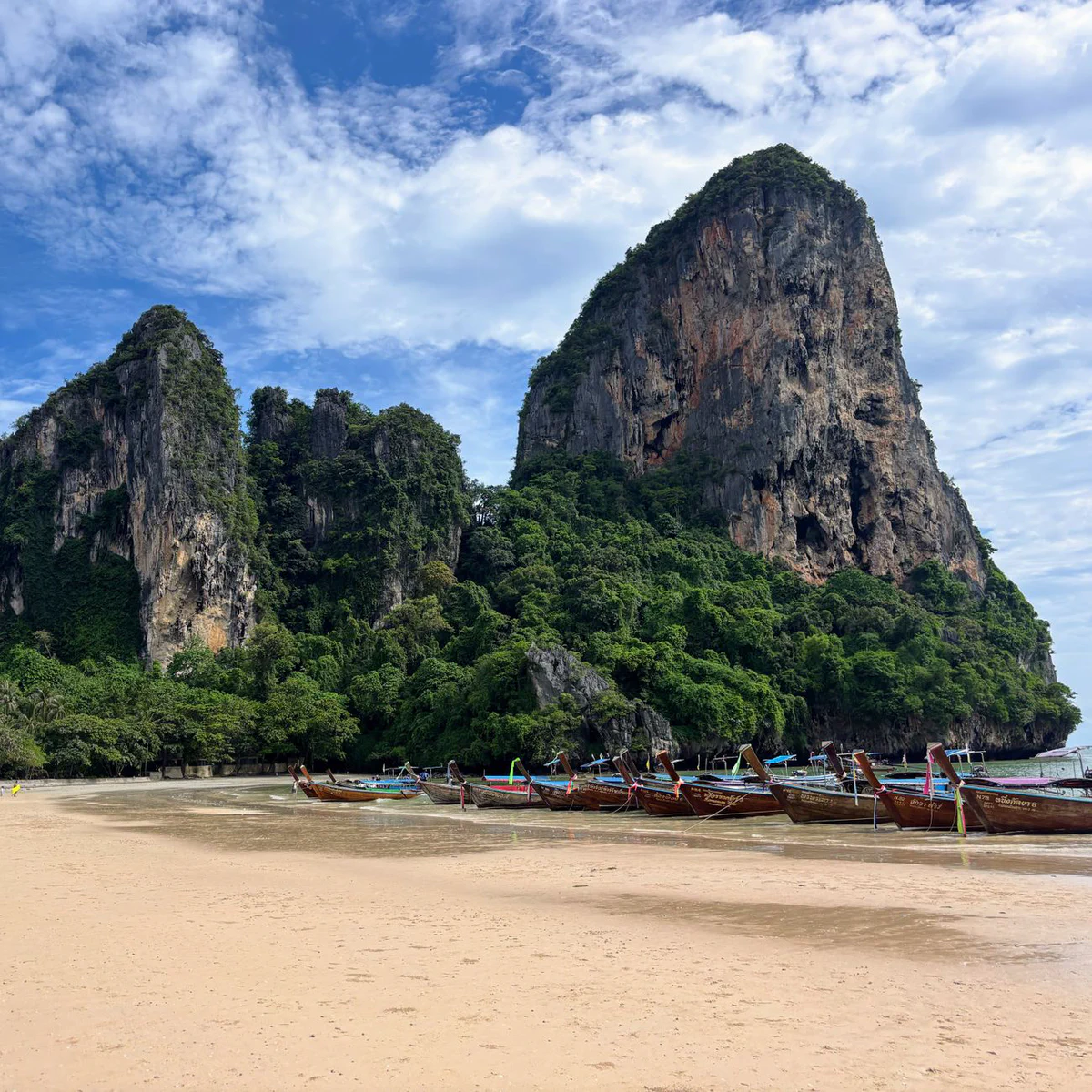
The choice between coasts also profoundly shapes the character of your holiday. The Andaman Sea is famous for its dramatic, vertical limestone karst scenery and deep, startlingly turquoise waters. The Gulf of Thailand, meanwhile, offers gentler coastlines, shallower waters, and a noticeably more relaxed pace, even on its most popular islands. Neither is inherently “better”—the right choice depends entirely on your specific travel dates and the kind of atmosphere you want to wake up to.
Start by being honest about the kind of beach trip you actually want—whether it’s easy nightlife, quiet sand, well-regarded diving, or genuine, disconnected isolation—then test that choice against the season and the reality of transfer times. No single island is the best at everything.
Best islands for first-timers: Koh Samui & Phuket
If this is your first time in Thailand and you value convenience above all else, Koh Samui and Phuket are the most logical starting points. Both are served by international airports, offer an abundance of accommodation for every budget, and have enough infrastructure that you won’t need to stress over every logistical detail in advance. However, they cater to very different styles of travel.

Koh Samui generally feels more relaxed, maintaining a cohesive island vibe despite its popularity. It’s busy enough that you’ll never feel stranded, but the pace is undeniably slower than its western counterpart. The island is large enough to offer distinct personalities: Chaweng for those who want nightlife and shopping, Lamai for a slightly quieter scene, and the northern coast for family-friendly resorts tucked away from the noise. It is a great choice if you want a proper beach holiday without the daily headache of complex logistical puzzles. The beaches themselves are varied—Chaweng is long and lively with soft, white sand, while Lamai offers a more laid-back stretch with fewer umbrellas and more breathing room.
Phuket, by contrast, is bigger, busier, and significantly more commercial. It feels more like a coastal province than a simple island. It boasts larger resorts, more intense nightlife options (especially around Patong), and an incredible range of adventure tours. If you’re the kind of traveler who never wants to run out of things to do, Phuket is your winner. But be warned: the main beaches can feel crowded, loud, and a bit overwhelming. If you prioritize calm over convenience, lean toward Koh Samui. That said, Phuket’s sheer size means you can still find quiet, beautiful coves like Kata Noi or Nai Harn if you’re willing to venture away from the central hubs.
If your travel group includes both party-goers and those seeking quiet relaxation, Phuket’s sheer variety makes it the safer bet. If you’re traveling solo or as a couple and want to avoid the high-octane chaos, Koh Samui tends to deliver a more cohesive, less stressful experience. Both islands are excellent jumping-off points for further exploration: Koh Samui connects easily to Koh Tao and Koh Phangan, while Phuket provides a gateway to the Phi Phi Islands, the Similans, and the stunning Krabi coastline.
Koh Kood & Koh Mak: serene, undeveloped beaches
For travelers who have already done the mainstream resort circuit and are craving pure, unfiltered quiet, the far eastern Gulf islands offer a completely different experience. Koh Kood is one of the least developed large islands in Thailand. There is no central town to speak of, no nightlife scene, and the main attractions are the quiet, stunning beaches like Bang Bao and Klong Chao. Accommodation ranges from simple, rustic bungalows to high-end eco-resorts, but in every case, the landscape remains the main event. The beach at Bang Bao is a long, soft stretch of sand bordered by graceful casuarina trees, while Klong Chao offers calm, shallow water that stays clear for most of the year. If your idea of a perfect day involves nothing but a book, a hammock, and the rhythmic sound of the waves, Koh Kood is exceptionally hard to beat.
What truly sets Koh Kood apart is its size—it’s the fourth largest island in the kingdom, yet its interior remains almost entirely wild jungle. This means you can hike through forest trails to find hidden waterfalls and encounter almost no other tourists. The lack of a concentrated town center means your dining will mostly happen at your resort or a handful of local beachfront restaurants scattered along the coast. That limited choice is part of the island’s seclusion, but it will frustrate travelers who want to eat somewhere different every night.
Koh Mak is even more intimate, covering just 16 km² of flat terrain. It is ideal for those seeking a slower, more local vibe where the loudest sound is a falling coconut. The island’s flat landscape makes cycling the most practical and enjoyable way to explore, A local boat to the nearby Koh Kham sandbar can fill one unhurried afternoon. Accommodation here is predominantly family-run guesthouses and small, personal resorts. You won’t find international brand hotels or thumping nightclubs here. Koh Mak is a place where you deliberately choose to do less. Even during the high season, you can find stretches of sand where you are one of only a handful of people.
Both of these islands suit travelers who don’t need constant external entertainment. If you crave silence and the chance to feel genuinely distant from the modern world, these are your islands. But be prepared: dining options are more limited than elsewhere, and you will likely rely on your accommodation for most of your meals. This is the trade-off for such rare serenity. For those who want a tiny bit of activity, the proximity of Koh Kham offers a simple, beautiful day trip that doesn’t break the island’s peaceful spell.
One important caveat: because these islands are less frequented, ferry connections are less frequent than to the major hubs. You will likely need to fly into Trat Airport and then take a ferry from Laem Sok Pier. Schedules vary significantly by season, so book your ferry tickets in advance during high season and allow for potential weather delays during the shoulder months.
Koh Tao & Similan Islands: diving and snorkeling paradise
If your travel style is defined by what you see beneath the surface, these two destinations are the clear, undisputed standouts. However, they offer very different diving experiences that you must consider before you book.

Koh Tao is the undisputed diving capital of Thailand, home to well-regarded sites like Chumphon Pinnacle and Shark Bay. The island has an incredible concentration of dive shops—you can literally show up with no experience and be PADI certified in four intensive, rewarding days. It is also remarkably affordable by international diving standards. Above the water, the beaches are perhaps less dramatic than on some other islands, but Haad Tien (Shark Bay) and the adjacent Koh Nang Yuan offer spectacular snorkeling right from the shore. The island itself has a backpacker-friendly, high-energy social atmosphere with modest accommodation and a vast range of casual restaurants. If getting certified is your priority, Koh Tao is your first and best choice.
What makes Koh Tao particularly attractive for beginners is its calm, sheltered bays that provide very forgiving conditions for your first breaths underwater. The crystal-clear, shallow water around Koh Nang Yuan, a tiny island connected by sandbars, is an ideal spot for first-time snorkelers to gain confidence. For more experienced divers, Chumphon Pinnacle offers deep walls and the thrilling possibility of seeing whale sharks during certain months. The island’s social scene is lively without feeling completely overwhelming; you can easily find a quiet beach bar or a lively nightspot depending on how you feel after a day of diving.
The Similan Islands are in a completely different category. They are a protected national park, not a place where you can stay overnight. The islands offer shimmering turquoise waters, squeaky-white sand, and giant, smooth boulders both above and below the waterline. The marine life here is more abundant and diverse than near Koh Tao, with manta rays and whale sharks frequently spotted during the right months. The best way to experience them is on a day trip from Phuket or Khao Lak, or, for the dedicated, on a liveaboard boat that lets you complete multiple dives over several days. The honest trade-off: you cannot sleep on the islands themselves, and access is strictly restricted during the monsoon season (usually closed annually from mid-October to mid-May). If you want well-regarded snorkeling in stunningly clear water without committing to a full course, a Similan day trip is worth the very early-morning departure.
The choice between Koh Tao and the Similans comes down to your time and your commitment. If you want to get certified and spend a week fully immersed in diving culture, Koh Tao provides unparalleled convenience and affordability. If you are already certified and your priority is pristine, undisturbed coral reefs, the Similans are the superior destination. For non-divers who simply want the most incredible snorkeling, the Similans offer clearer water and more dramatic scenery, though Koh Tao’s accessibility and mix of activities still make it a very strong contender.
One vital detail to remember: the Similan Islands are a liveaboard or day-trip only destination. You will not sleep on the islands. You will depart early from Phuket or Khao Lak and return in the evening, often exhausted but exhilarated. Liveaboards typically range from two to four days and include all your meals, basic accommodation on the boat, and multiple dives each day. This is a very different, more structured style of travel, but it is immensely rewarding for the quality of the underwater experience.
Koh Lipe & Koh Ngai: remote tropical gems
For travelers willing to invest significant extra travel time in exchange for striking water clarity and remote beauty, Koh Lipe and Koh Ngai offer two very distinct forms of tropical paradise.

Koh Lipe boasts some of the most strikingly clear turquoise waters in the kingdom, but it is undeniably one of the most challenging islands to reach. Getting here involves a flight to Hat Yai or Trang, followed by a long minivan ride to the pier, and then a ferry that can take two hours or more depending on the season and the mood of the sea. But the reward is worth the effort: a Maldives-like experience without the eye-watering price tag. The main beach, Pattaya, features powdery white sand and water that remains clear even when other islands are murky. The island also has a lively Walking Street packed with restaurants, bars, and small shops. Don’t be fooled into thinking this is a completely undeveloped wilderness; it has plenty of infrastructure, but the overall atmosphere remains remarkably relaxed compared to the big hubs.
Koh Lipe is split into several distinct beach areas, each with its own personality. Sunrise Beach (Hat Chao Ley) offers a more tranquil setting with excellent snorkeling right off the shore, while Sunset Beach (Hat Pramong) provides calm water and noticeably fewer crowds for those seeking a quiet evening. Pattaya Beach is the most developed hub, lined with resorts and serving as the gateway to the social scene. The presence of Walking Street means you have plenty of options for dining and entertainment, making Koh Lipe a perfect middle ground for those who want remote beauty without sacrificing all their modern comforts.
Koh Ngai is the complete opposite: there are no roads, no motorbikes, and no towns—just one magnificent, long beach, a handful of boutique resorts, and stunning views of karst islands rising like jagged teeth from the water. The beach stretches the entire length of the accommodation-lined coast, and because there is no internal transport, you will spend your entire stay walking everywhere in the sand. This makes Koh Ngai the main choice for couples or solo travelers who want to disconnect from daily life entirely. Be aware, however, that there is no diving school on the island; you can snorkel from the beach, but serious divers will find the options very limited. It is a destination built for pure, unadulterated relaxation.
The contrast between these two is instructive: Koh Lipe gives you stunning water plus a social scene to enjoy in the evening. Koh Ngai gives you a single beach and absolute silence. If you need the option of a bar or a restaurant that isn’t attached to your resort, choose Koh Lipe. If you want to wake up, step directly onto the sand, and not see another soul for hours, Koh Ngai is your match. Both require a fair amount of travel stamina to reach, but that effort is rewarded by water clarity that far exceeds most other Thai islands.
A crucial note on seasonality: both Koh Lipe and Koh Ngai are situated in the Andaman Sea, which means the dry season runs strictly from December to April. During the monsoon months, ferry services become highly unreliable and many of the resorts close their doors entirely. Plan your trip accordingly to avoid being stranded or disappointed.
Practical tips: getting there & best time to visit
Seasonal planning
- Andaman Sea (Phuket, Krabi, Koh Phi Phi, Koh Lipe, Similan Islands): Consider visiting between December and April. Avoid June through October unless you are comfortable with frequent, heavy tropical rain and the very real possibility of cancelled ferries leaving you stranded.
- Gulf of Thailand (Koh Samui, Koh Tao, Koh Kood, Koh Kham, Koh Mak): Your best bet is February through to September. While some rain can occur in January and October, it’s rarely as severe or persistent as the Andaman monsoon.
If you are traveling between June and November, the Gulf of Thailand is the significantly safer choice for your sanity and your tan. If your trip falls between November and April, the Andaman Sea offers the kind of ideal, postcard-perfect conditions you’re likely looking for. For travelers with flexible dates, the shoulder months—November in the Gulf or May in the Andaman—can offer lower prices and fewer crowds, but you are gambling with the weather and may encounter choppy seas.
Transport
Most islands require a coordinated dance of a flight to a regional airport followed by a ferry connection. These routes are typical, but You should check for current schedules:
- Koh Samui: Take a direct flight to Samui Airport (USM)—it’s expensive but incredibly convenient—then a short ferry or taxi to your beach.
- Phuket: Direct flights to Phuket Airport (HKT) are plentiful, followed by a taxi to your resort or a ferry to the outer islands.
- Koh Kood / Koh Mak: Fly into the tiny Trat Airport (TDX), then catch a ferry from Laem Sok Pier.
- Koh Tao: Fly to either Koh Samui or Surat Thani, followed by a ferry crossing.
- Koh Lipe: Fly to Hat Yai (HDY) or Trang (TST), then take a minivan to Pak Bara Pier, followed by a long ferry ride.
- Similan Islands: These are strictly for day trips or liveaboards departing from Phuket or Khao Lak.
The booking platform 12Go.asia is a reliable tool for securing combined bus and ferry tickets, but remember that they add a commission for the convenience. It is particularly useful for managing complex multi-leg transfers—like getting from Phuket airport all the way to Koh Lipe. Be aware that ferry schedules and prices are highly seasonal; always double-check the latest reports for your specific travel dates to avoid being left on the pier.
Before you book
- Compare ferry options: Schedules and prices change constantly based on the season and the operator. Don’t just take the first price you see; compare at least two current options before you hit ‘pay’.
- Check entry requirements: Thailand’s entry rules can change with little notice. Always verify the current requirements on an official government or embassy website shortly before you depart.
- Read recent reviews: The quality of island accommodation can fluctuate wildly. Search for recent user reviews that align with your specific budget and comfort needs.
- Safety is paramount: Never attempt to swim during a storm, always choose licensed, reputable ferries, and pay close attention to local warning flags and official weather advice.
- Build in buffer days: When you’re planning an island-hopping route, allow for a few buffer days. A single tropical storm can derail a tightly timed connection and lead to a very stressful race for a connecting flight.
How to decide: a style-based comparison
| If you want… | Choose this island | Best season |
|---|---|---|
| Easy infrastructure, nightlife, and variety | Phuket or Koh Samui | Phuket: Dec - Apr; Samui: Feb - Sep |
| Quiet, beautifully undeveloped beaches | Koh Kood or Koh Mak | Feb - Sep |
| Diving certification and a social scene | Koh Tao | Feb - Sep |
| well-regarded snorkeling and dramatic day trips | Similan Islands | Dec - Apr |
| Remote, crystal-clear water with local life | Koh Lipe | Dec - Apr |
| Pure, road-free relaxation for couples | Koh Ngai | Dec - Apr |
| A first-timer vibe that isn’t too quiet | Koh Samui | Feb - Sep |
| Maximum activities and excursions | Phuket | Dec - Apr |
This table is a starting point for your planning, not a rigid rulebook. If you want stunningly clear water but still need a walking street with restaurants, Koh Lipe gives you both. If you want to dive without a massive journey, Koh Tao is the most accessible hub. If you want to sit on a beach and see absolutely no development at all, Koh Kood is the strongest fit.
There is no single “best” island in Thailand. There is only the best island for your specific travel style and the month you happen to be traveling. Choose the coast first, then narrow it down by the experience you want rather than the most impressive photograph. A perfect day on Koh Kood—quiet, empty, and free of jet skis—looks fundamentally different from a perfect day in Phuket with its bars and bustle. Both are legitimate ways to enjoy the kingdom; the only mistake is expecting one to be the other.
For those still undecided, consider your non-negotiables. Do you need a choice of restaurants that aren’t attached to your hotel? Then Koh Ngai and Koh Kood might leave you feeling a bit trapped. Do you need to be in the water the moment you wake up? Then Koh Tao and the Similans, which prioritize underwater life, should be your focus. Do you want to feel like you have truly escaped the modern world? Then the extra travel time to Koh Lipe and Koh Mak will be richly rewarded. Map your priorities against the reality of the descriptions above, and the right island for you will eventually emerge.
Remember, island conditions are fluid. A quiet beach can suddenly gain a new resort, a ferry can be pulled from the timetable, and a single storm can upend a tightly timed route. Check the very latest reports for your specific destination, and always leave enough breathing room in your itinerary to change your plans without losing your mind or your flight.
Quick answers
Frequently asked questions
Which Thai island has the best beaches?
When is the best time to visit Thai islands?
How do I get to the islands?
Research notes
Official planning references
We use these primary references for the time-sensitive details relevant to this guide. Rules, prices and operating hours can change, so confirm the live information before you travel.
- Thai Meteorological Department — Seasons of Thailand
Details to check: Andaman-versus-Gulf monsoon context behind the coast-selection advice (checked 2026-08-30).
- Thai Meteorological Department — Seven-Day Forecast
Details to check: Short-range weather verification pathway for ferry and beach-day decisions (checked 2026-08-30).
- Department of National Parks — National Park Portal
Details to check: Official park notices and access checks for protected marine areas; closure dates must be confirmed for the trip year (checked 2026-08-30).
Guide reviewed 30 August 2026. Confirm live rules, prices and operating details with the linked authority before travel.