Is Thailand Safe? Risks, Scams and Emergency Numbers
Understand Thailand safety risks, regional warnings, road and nightlife precautions, common scams, local laws and the emergency numbers to save.


Most visits to Thailand are trouble-free. The risks most likely to affect an ordinary trip are road crashes, petty theft, scams, drink spiking, heat and an avoidable mistake involving local law—not random violence. The important exception is geography: official advisories identify higher-risk southern and border areas, and those boundaries can change. Check your own government’s live map before any overland border journey.
Thailand safety at a glance
| Situation | Practical judgment |
|---|---|
| Bangkok, Chiang Mai and major resort areas | Normal travel precautions, with extra care in traffic and nightlife |
| Riding a scooter without experience | Do not learn on holiday; licensing and insurance conditions also matter |
| Deep-south or sensitive border travel | Check the exact live warning and reroute when official advice says not to travel |
| Demonstrations | Stay away even if a gathering appears peaceful |
| Bars and full-moon events | Keep control of drinks and arrange the return before drinking |
| Ferries during rough weather | Follow marine warnings and use a reputable operator |
Government advice is not identical across countries. For example, as checked on 24 August 2026, the UK FCDO advised against all but essential travel to Pattani, Yala, Narathiwat and specified districts in southern Songkhla. Use the advisory relevant to your nationality and insurance policy rather than treating this article as the final boundary map.
Areas that require a live advisory check
Southern border provinces
The insurgency in Thailand’s far south creates a materially different risk from the main tourist route. The affected provinces are far south of Phuket and Krabi, but warnings matter to travelers moving overland between Thailand and Malaysia. Do not assume that passing through is exempt from an official warning.
Land borders and remote border areas
Conditions near international borders can change with little notice. Use an established crossing, remain on marked roads and confirm that the crossing is open before starting the journey. Landmine risk exists in some remote border areas, which is another reason not to leave marked routes or explore closed temple zones.
Demonstrations
Political gatherings can block roads or change character quickly. Avoid demonstrations, marches and political meeting points; follow local instructions and your embassy’s alerts. Do not approach simply to photograph the crowd.
The biggest everyday risk: roads
Road safety deserves more attention than elaborate scam lists. Traffic moves differently from what many visitors expect, motorcycle use is widespread, and protection outside a vehicle is limited.
Scooters and motorbikes
If you do not already ride a motorbike confidently, Thailand is the wrong place to learn. An experienced rider should still verify that the licence and any International Driving Permit are valid for the vehicle class, wear a proper helmet, avoid alcohol and check the insurance exclusions. A rental shop handing over a key does not prove that you are licensed or insured.
Photograph the vehicle before departure and do not leave your passport as collateral. If a shop insists on holding the original, choose another operator.
Taxis, tuk-tuks and ride-hailing
At airports, use the official taxi queue or the designated ride-hailing pickup. In Bangkok, confirm that a street taxi uses its meter; with an app, check the registration and driver before boarding. Tuk-tuks do not use meters, so agree the complete fare and destination first. An implausibly cheap sightseeing ride often depends on commission stops at shops.
For urban transport planning, the Bangkok BTS and MRT guide reduces the need for road transport, while the Singapore and Thailand travel-insurance guide explains why policy wording matters.
Buses, trains and ferries
Keep your passport, money, phone and medication with you rather than in a luggage hold. On an overnight service, secure the smaller bag and avoid displaying cash when everyone is boarding.
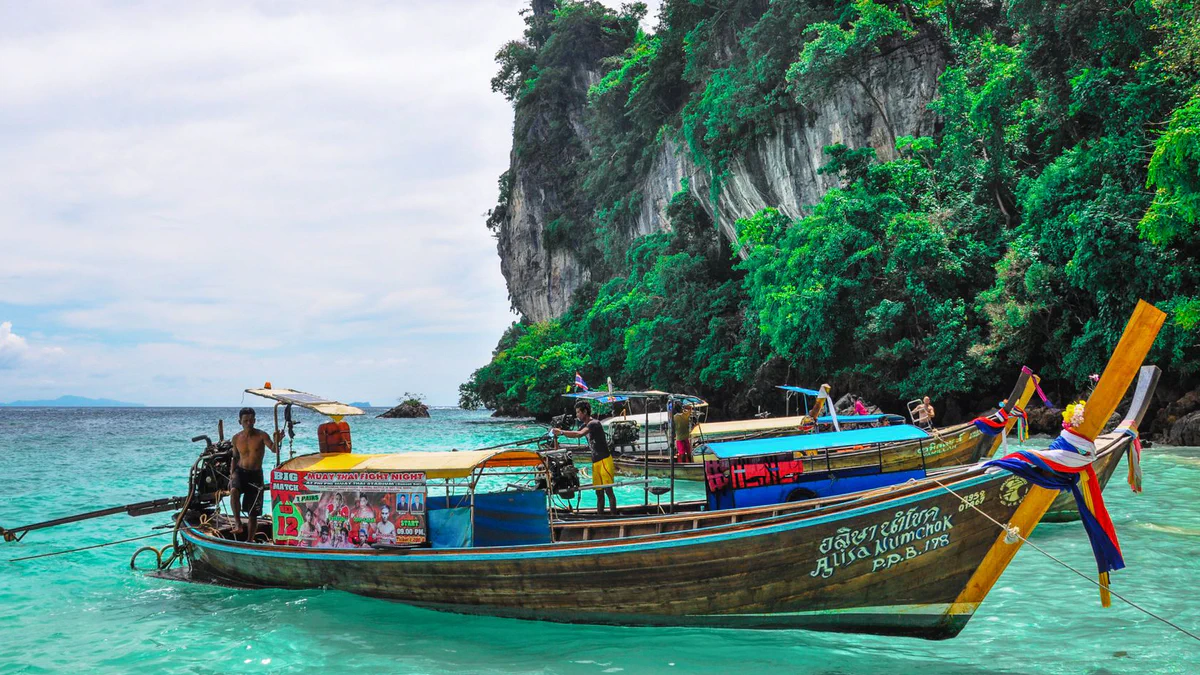
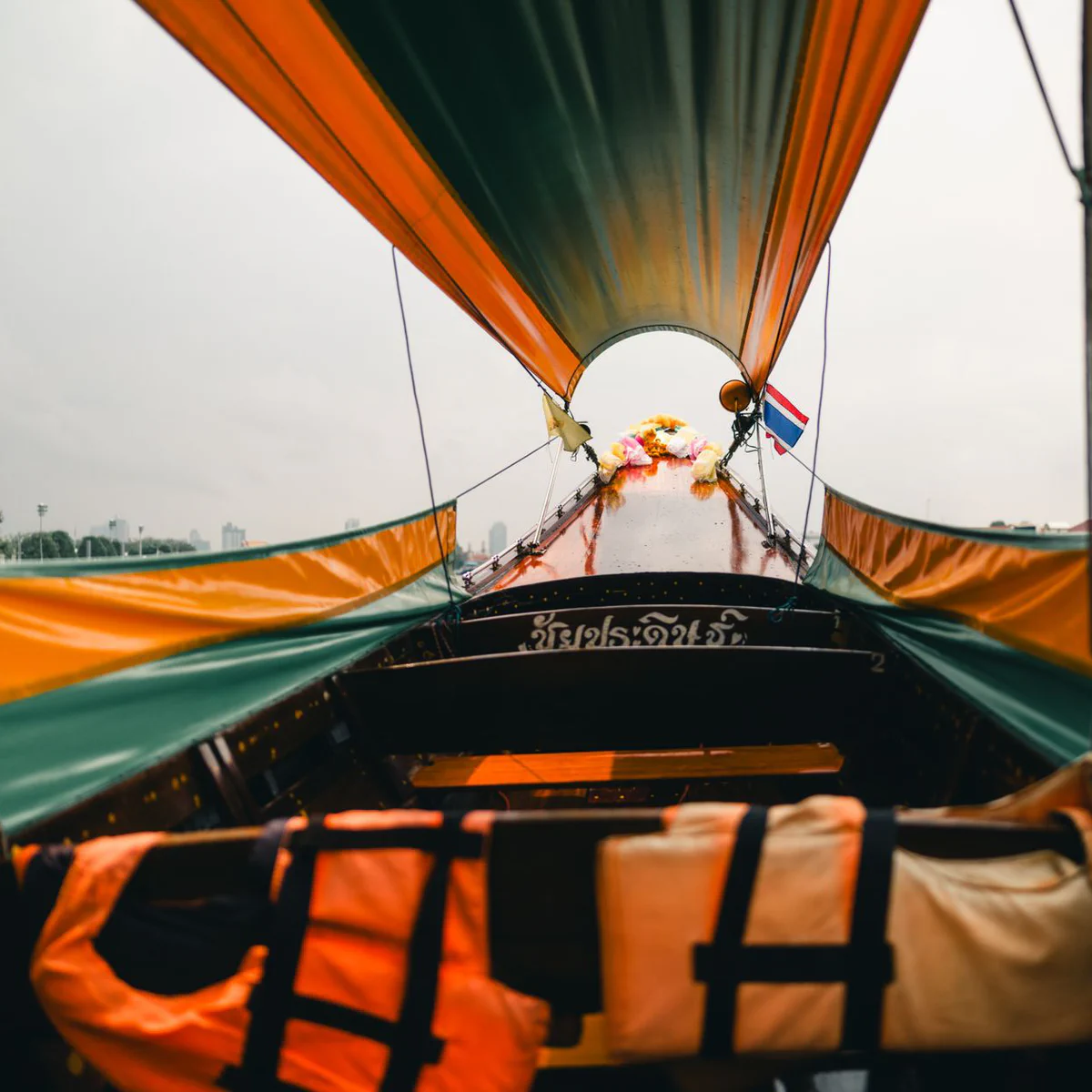
For island travel, check the marine forecast, use a reputable operator and identify the life jackets after boarding. Do not pressure a crew to depart when rough weather has caused cancellations. Build margin before an international flight instead of depending on the last ferry.
Common scams and petty theft
Rental-damage claims
Take timestamped photographs or video of every side of a scooter, car or jet ski before use. Ask what the deposit covers and get the terms in writing. If a dispute becomes threatening, step away and contact the Tourist Police rather than escalating it physically.
Closed-attraction and commission-shop detours
A stranger may say a temple is closed and offer a cheap tuk-tuk tour. Check the attraction’s official page or entrance yourself. Decline unsolicited gem, tailor and “government sale” detours; a friendly conversation is not evidence that the offer is legitimate.
Pickpocketing and bag snatching
Crowded markets, nightlife streets and transport queues create easy opportunities. Carry a cross-body bag closed and toward the building side of a pavement, especially where motorcycles pass close to pedestrians. Keep a separate payment card and a copy of your passport away from the wallet you use daily.
Bar bills
Check prices before ordering and review the running bill if a venue uses one. Do not hand over a passport or bank card as an open-ended guarantee. If a disagreement becomes intimidating, move to a safer public position and contact 1155.
Nightlife, alcohol and drugs
Drink spiking and drug-assisted assault affect both women and men. Do not leave a drink unattended or accept an open drink from a stranger. Stay with trusted companions, choose a meeting point and arrange the return before anyone is intoxicated. If you suddenly feel much more impaired than expected, tell someone you trust or venue staff, move to a well-lit place and seek medical help.
Thailand’s drug laws carry severe penalties. Do not buy, possess, use or transport illegal drugs, and never carry cannabis or cannabis products across an international border. Since June 2025, cannabis flower has again been regulated as a controlled substance for medical use under conditions described by Thai authorities; the existence of a shop is not proof that a sale or use is legal.
Thai Customs lists e-cigarettes and refills as prohibited imports. Do not bring a vape into Thailand or assume that an item sold locally is lawful.
The Bangkok nightlife guide includes transport cutoffs and safer evening plans without repeating a long list of venues that may close.
Health, weather and water safety
Heat and hydration
Heat exhaustion can develop before a traveler recognizes it. Carry drinking water, use shade and air-conditioned breaks, and reduce strenuous midday walking. Confusion, fainting or worsening symptoms require urgent medical help. The Thailand weather-by-month guide helps identify the broad heat and monsoon pattern, but a live forecast matters more for the actual week.
Food and drinking water
Use sealed bottled or reliably treated water for drinking. In established restaurants, commercial ice is commonly made from treated water, but ask when uncertain in a remote area. Choose food cooked thoroughly and served hot, particularly if a stall has slow turnover.
Mosquitoes and animal bites
Use repellent and covering clothing when mosquitoes are active. Do not feed monkeys or stray dogs. Any mammal bite or scratch should be washed immediately and assessed urgently because rabies prevention is time-sensitive.
Beaches and boats
Obey warning flags and local closures. Rip currents and rough monsoon seas can affect beaches that look calm from shore. Do not enter rough water because other visitors are doing so, and do not touch unfamiliar marine animals.
Medical care and insurance
Private medical care is available in major cities and resorts, while remote islands and rural areas may have limited facilities. Buy insurance that covers the destinations and activities you actually plan, including medical evacuation where appropriate. Read exclusions for motorbikes, alcohol, trekking, diving and travel against official advice. Keep the assistance number and policy number offline as well as in email.
Laws visitors commonly overlook
- Criticising Thailand’s monarchy is illegal and the law is interpreted broadly, including online activity.
- Do not photograph military sites or ignore instructions around sensitive government facilities.
- Dress and access rules at temples are set locally; follow posted requirements.
- Smoking is prohibited in designated public areas and on specified beaches; use marked smoking areas.
- E-cigarette devices and refills are prohibited imports.
- Carrying cannabis across a border is illegal, regardless of the law at the destination.
Laws and enforcement can change. Check current official guidance rather than relying on another traveler’s experience.
Emergency numbers to save
- Tourist Police: 1155
- Police: 191
- Ambulance: 1669
- Fire: 199
The Tourist Police service provides assistance to foreign visitors, and its official app can help travelers without a Thai SIM. In a serious incident, also contact your insurer and your embassy or consulate.
If something is stolen or you are assaulted, move to safety, seek medical care when needed, preserve messages and receipts, and request a police report for any insurance claim. Embassy staff can explain passport replacement and local support but cannot erase charges or settle a private bill.
US citizens can use STEP, and Canadians can use Registration of Canadians Abroad. UK travelers can subscribe to FCDO travel-advice email updates.
Official sources and live checks
- UK FCDO Thailand travel advice
- UK FCDO Thailand safety and security
- UK FCDO Thailand emergency numbers
- Government of Canada Thailand travel advice
- Thailand Tourist Police
- Tourism Authority of Thailand: 2025 cannabis regulation notice
- Thai Customs prohibited goods
This page was fact-checked on 24 August 2026. Recheck regional warnings, laws and emergency guidance immediately before travel.
Quick answers
Frequently asked questions
Is Thailand safe for solo travelers?
What should I avoid in Thailand?
Are taxis safe in Thailand?
What are Thailand's emergency numbers?
Research notes
Official planning references
We use these primary references for the time-sensitive details relevant to this guide. Rules, prices and operating hours can change, so confirm the live information before you travel.
- Tourism Authority of Thailand
Details to check: Official destination information and trip-planning context
Guide reviewed 24 August 2026. Confirm live rules, prices and operating details with the linked authority before travel.